A Lot On Our Plates: MEGA Quiz
How much do you know about our active plate boundary, earthquakes, tsunami and how to prepare?
Image Source
Quiz Questions
1.
1. The largest earthquakes in the world occur at subduction zones
Image Source
A.
True
B.
False
2.
2. We can predict earthquakes
Image Source
A.
True
B.
False
3.
3. What is the best thing to do during an earthquake to keep safe?
Image Source
A.
Drop Cover and Hold
B.
Stand under a doorway
C.
Run outside
D.
Keep doing what you are doing
4.
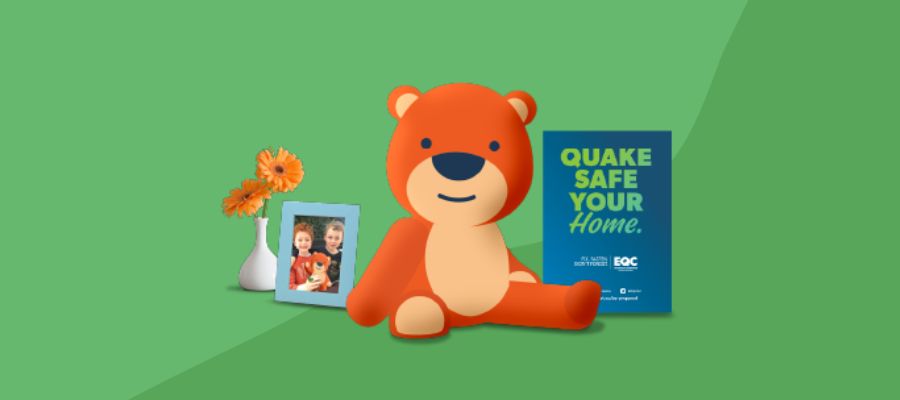
4. How can you Quake Safe Your Home?
Image Source
A.
Make sure you chimney is secured if concrete or bricks
B.
Use brackets to fasten bookcases, cabinets, hot water cylinders etc to the wall
C.
Secure fragile items with Blu Tack or non-slip maps
D.
All of the above
5.
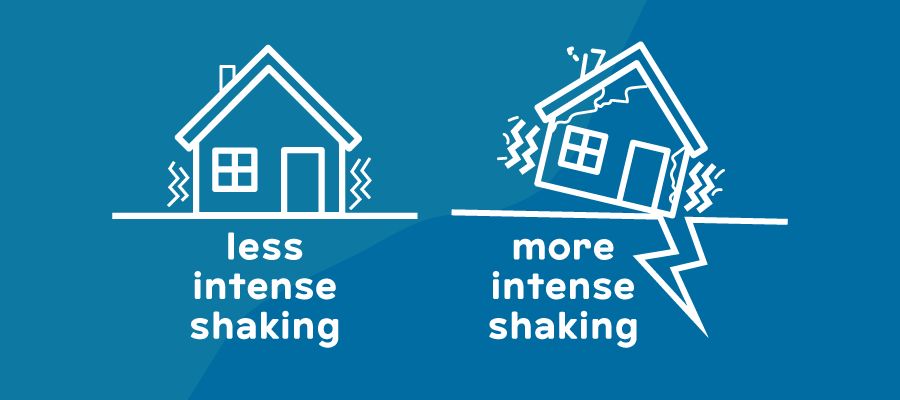
5. What does the intensity of shaking depend on?
Image Source
A.
The earthquake's magnitude
B.
The earthquake's location
C.
The earthquake's depth
D.
All of the above
6.
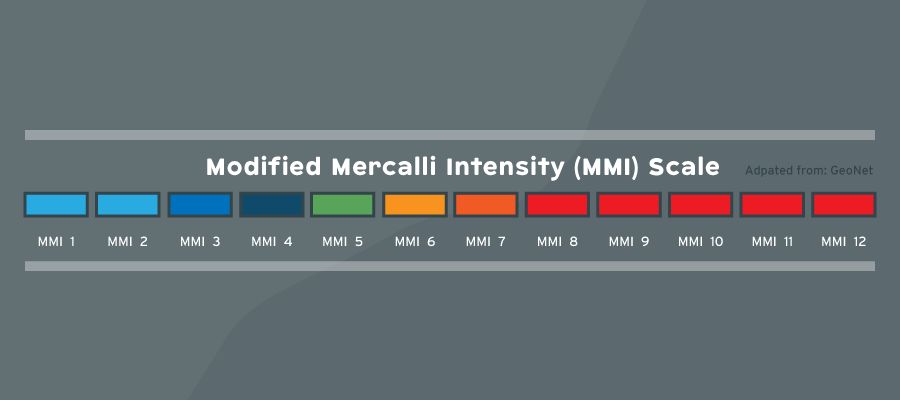
6. What do we use the Modified Mercalli Intensity (MMI) scale for?
Image Source
A.
To describe earthquake impacts
B.
To describe how earthquakes feel
C.
To prepare for earthquakes
D.
All of the above
7.
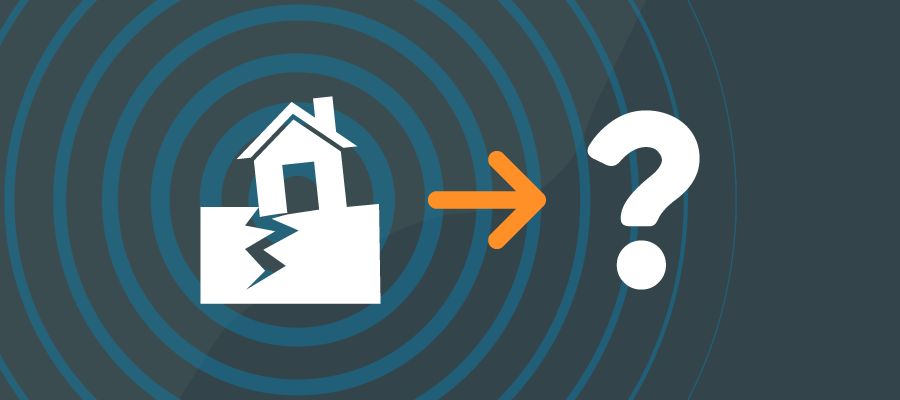
7. What other hazards can occur following an earthquake?
Image Source
A.
Tsunami
B.
Landslides
C.
Fire
D.
Liquefaction
E.
Aftershocks
F.
All of the above
8.
8. What is an aftershock?
Image Source
A.
Another word for a sesimic wave
B.
A smaller earthquake that follows the largest earthquake of a sequence
C.
A larger earthquake that follows the smallest earthquake of a sequence
D.
An earthquake that is unexpected
9.
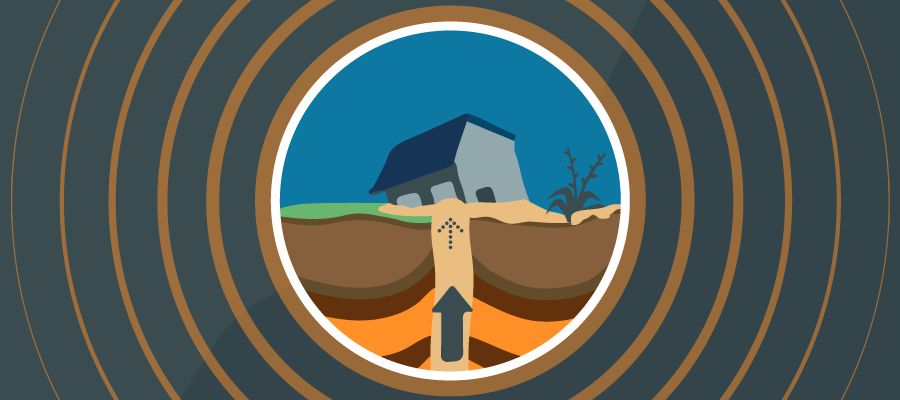
9. What is needed for liquefaction to occur?
Image Source
A.
Rocks below the water table and earthquake shaking
B.
Sand, silt and water
C.
Sand and silt below the water table and earthquake shaking
D.
Sand and silt below the water table and heat
10.
10. What infrastructure can be affected by liquefaction?
Image Source
A.
Homes and businesses
B.
Water, power and communication networks
C.
Roads
D.
All of the above.
11.
11. A tsunami is a series of waves caused by a large disturbance in the ocean or a lake.
Image Source
A.
True
B.
False
12.
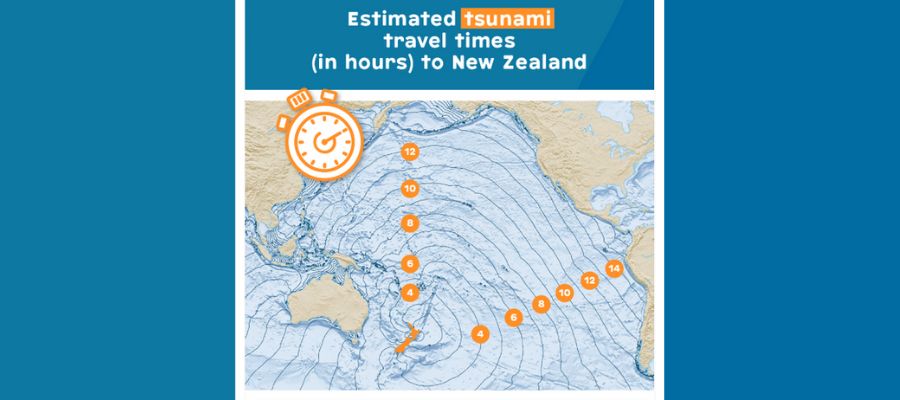
12. What factors impact how long it will take for a tsunami to reach us?
Image Source
A.
Where it occurred
B.
The amount of water that is displaced from the earthquake rupture, landslide, underwater volcano or meteorite
C.
The shape and features of the ocean or lake floor
D.
All of the above
13.
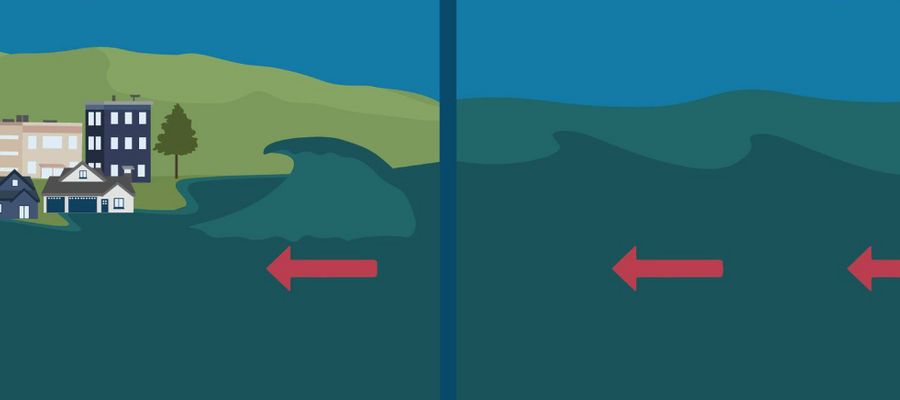
13. A tsunami travels at the speed of a plane (650km an hour) in the deep ocean. How fast does it travel as it reaches land?
Image Source
A.
The speed of an F1 car (350km per hour)
B.
The speed of a passenger train (90km per hour)
C.
The speed of a slow car (30km per hour)
D.
The speed of a cyclist (20km per hour)
14.
14. What should you do if you are near the coast or a lake and feel a LONG or STRONG earthquake?
Image Source
A.
Go to the sea to check out the tsunami waves
B.
Wait for a tsunami siren
C.
Do nothing
D.
Drop cover hold and then evacuate to high ground or inland
15.
15. What are the three easy steps to prepare for a tsunami?
Image Source
A.
1. Know your zone 2. Make a grab bag 3. Learn the natural warnings signs of a tsunami - a long or strong earthquake
B.
1. Know your zone 2. Make a grab bag 3. Start swim training
C.
1. Know your zone 2. Make a grab bag 3. Check your grab bag has treats in it
D.
1. Ignore all safety advice. 2. Do nothing 3. Is there a third step?
16.
16. Scenarios help us to think about and plan for the potential impacts of an event before it happens, like an earthquake or tsunami.
Image Source
A.
True
B.
False
17.
17. What scale of impact does a catastrophic event have?
Image Source
A.
A small area is impacted
B.
Very large numbers of the population are impacted directly
C.
Multiple communities are impacted
D.
Multiple areas and regions are impacted
18.
18. What scale of impact does a disaster have?
Image Source
A.
A small area is impacted
B.
Large numbers of the population are impacted directly
C.
Multiple communities are impacted
D.
Multiple areas and regions are impacted
19.
19. What are some ways you can prepare for a large earthquake or tsunami?
Image Source
A.
Make a plan
B.
Practise your drop cover hold or tsunami hikoi
C.
Find out what hazards could occur near you
D.
Get together your emergency supplies
E.
Quake Safe my home
F.
All of the above
20.
20. How can you help others during an event?
Image Source
A.
Encourage someone to evacuate after feeling a long or strong earthquake
B.
Offering to cook food on your BBQ for a neighbour
C.
Helping them fix and fasten their hot water cylinder to the wall
D.
Have a chat with a friend about how they're feeling
E.
All of the above
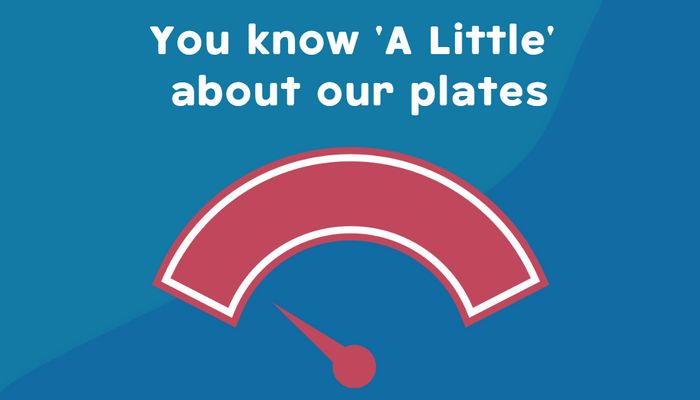
Quiz Outcomes
1.
Beginner
Image Source
Like it or not you still have 'a lot' to learn.
2.
Intermediate
Image Source
You are 'making waves' at the 'boundary' between beginner and expert.
3.
Expert
Image Source
Are you a scientist? You scored a magnitude better than most!