6.
You are a Homesteading Food Forester!
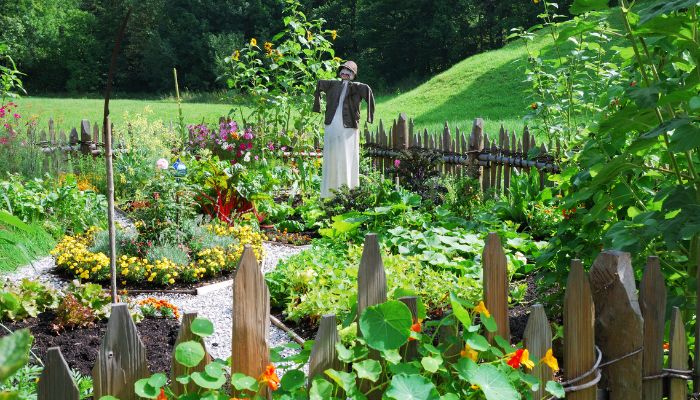
Whether you have a postage stamp yard or several acres, you know you can make a dent in your food bill, improve your health, and do your part for the planet by turning your land into a food forest! Because of their stacked types of plants and trees, food forests can grow many times as much food in the same space as more traditional systems.Every nook and cranny of your yard can be filled with multiple layers of trees, shrubs, vines, herbs, fruits, and veggies for you and your family, and you are taking action to make it happen! Check your email for more tips & how to's on how to live regeneratively!Here's some quick starting points:1. Grow more in the same area! — Because of the layers of a food forest, you can grow a variety of things in the same area. With a canopy of fruit, underlayer of edible shrubs, and ground cover of berries, this is just one example of the stacking that can be done! 2. Low maintenance! — Because food forests are designed to mimic mother nature, they are low need/low input! Perennial plants generally have deeper root systems than small, annual plants, so they can reach further into the soil for the water they need. Since permaculture food forests do not require chemical fertilizers or pesticides, they produce much healthier foods and products as well.3. Offer long season harvests! — Spring asparagus, summer berries, fall apples, root crops through early winter and even into the following spring — depending on your climate, a food forest can have something to offer nearly year-round.“We can begin by doing small things at the local level, like planting community gardens or looking out for our neighbors. That is how change takes place in living systems, not from above but from within, from many local actions occurring simultaneously.” - Grace Lee Boggs