1.
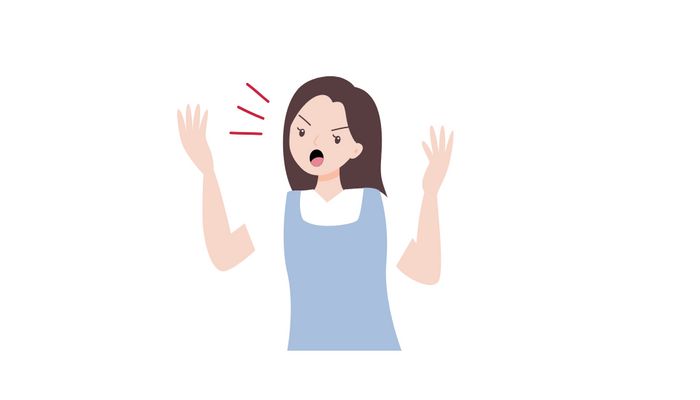
Fight
Your Fight Response: How Chaos Taught You to Stand Your GroundGrowing up, conflict wasn’t just something that happened—it was something you had to survive. With emotionally immature parents, your voice was your only weapon. If you didn’t push back, you’d be steamrolled. If you didn’t correct their version of reality, you’d be trapped in it. And if you didn’t stand your ground, you’d lose yourself completely.So you learned to fight.Now, when conflict arises, you don’t hesitate—you step in. Your body surges with energy, your mind sharpens, your words come fast. You’re ready to problem-solve, to fix, to set things straight. Because if you don’t, who will?At your core, you believe that staying in control is the only way to stay safe—emotionally, mentally, even physically. If you don’t assert yourself, if you don’t make things clear, if you don’t take charge, you risk being dismissed, manipulated, or ignored. And you’ve fought too damn hard to let that happen.You probably also hold a deep belief that if people would just handle things the right way (which, let’s be honest, is your way), everything would run smoother. There’d be no chaos, no harm, no unfairness. So when someone hesitates, refuses to listen, or pushes back, it doesn’t feel like a simple disagreement—it feels like a threat to stability.Your fight response isn’t about aggression; it’s about survival. It’s the part of you that learned—early and often—that passivity meant powerlessness. That if you didn’t advocate for yourself, no one else would. That control was the only way to avoid being controlled.But here’s the thing: while this response protected you, it also keeps you in constant battle mode. You’re not wrong for wanting to be heard, for defending yourself, for trying to create order. But when every disagreement feels like a fight for survival, you end up exhausted, misunderstood, and wondering why no one else seems to be fighting as hard as you are.