6.
Tactile input: Low seeking
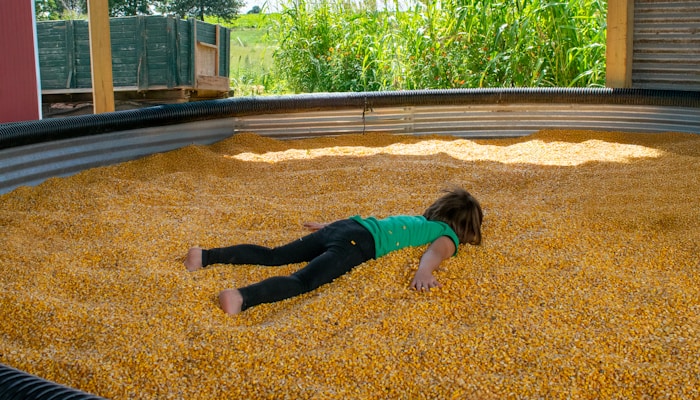
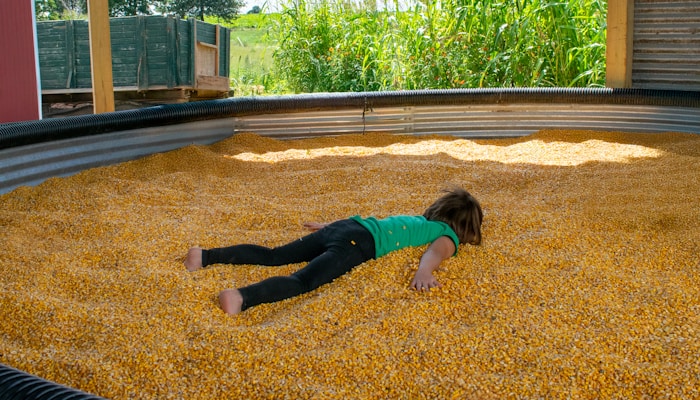
Your child may not actively seek out tactile input—and may even avoid certain textures or messy activities.Tactile input includes anything that engages the sense of touch: messy play, different textures, fidgets, or even daily sensations like tags or socks. While some kids love it, others find certain tactile experiences overwhelming or uncomfortable.If your child avoids messy or texture-rich play, it’s a sign their system may be sensitive to tactile input—and that’s okay.👉 A slow, supportive introduction can help. Start with dry, less “intense” materials (like rice or pom-poms), and offer tools like spoons, paintbrushes, or tongs so they can interact without using their hands at first.Over time, gentle exposure can reduce sensitivity, increase tolerance, and help your child feel more comfortable engaging with their environment.Tactile input—even in small doses—can support regulation, fine motor development, and overall sensory balance.Looking for practical ways to use this info? My Sensory Diet Cards make it easy- check them out using the link below.