3.
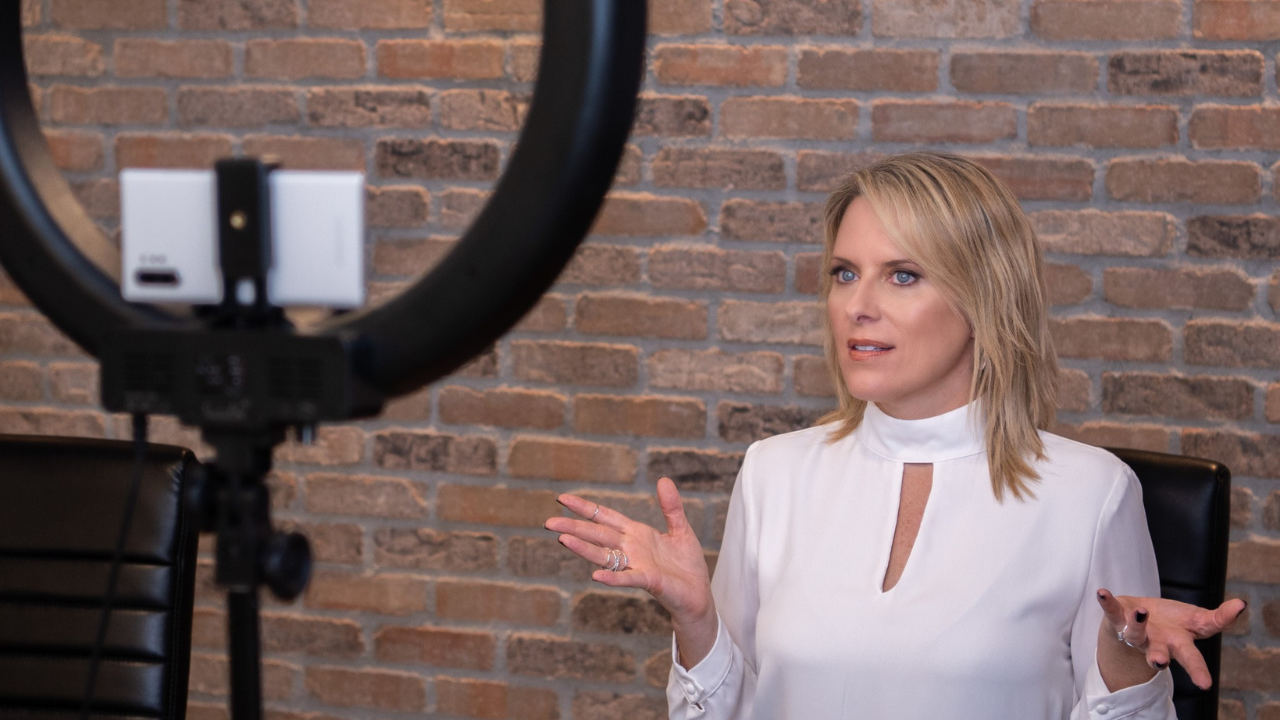
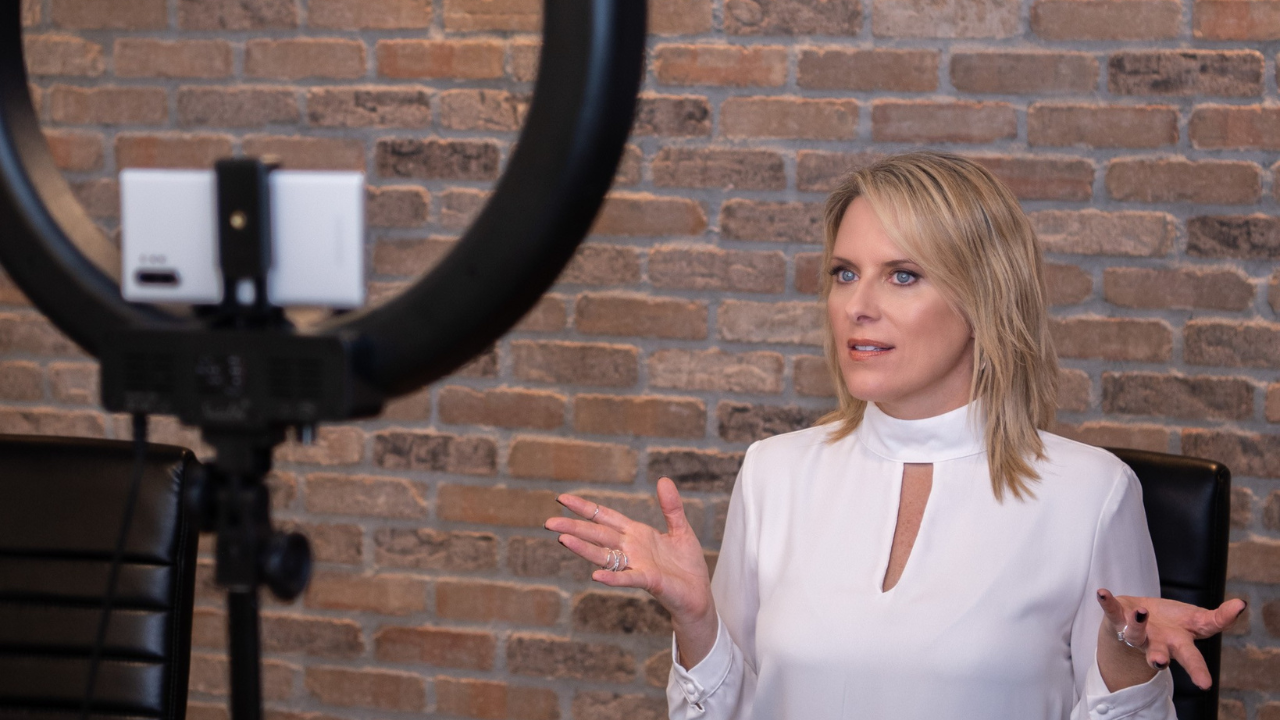
You're not afraid of the camera. You're afraid of what the camera might reveal.
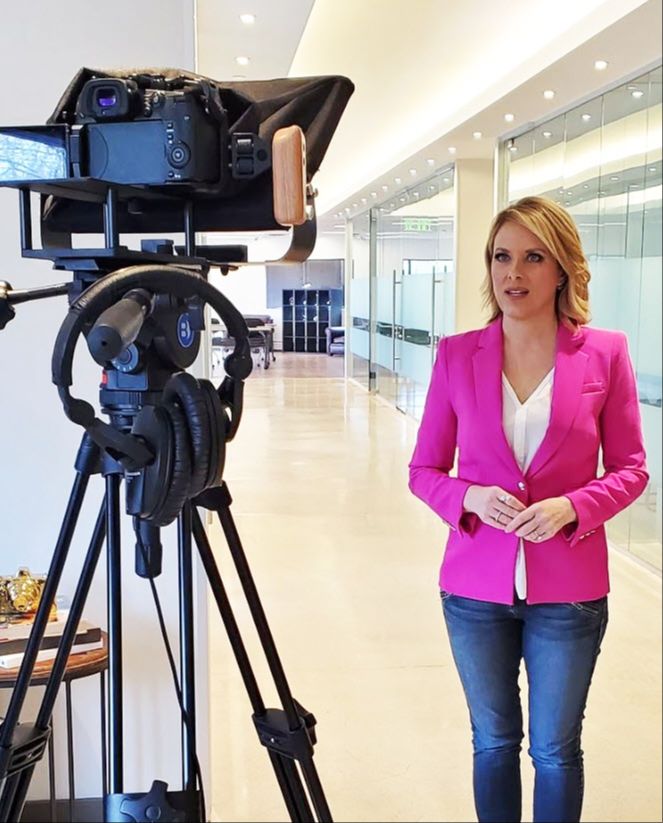
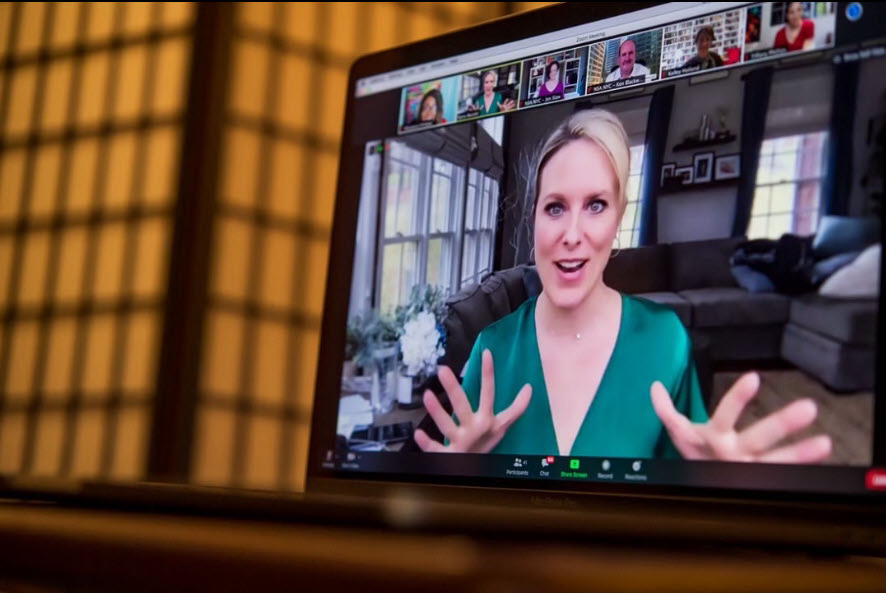
You've spent years building credibility — through your track record, your credentials, your body of work. In your professional context, that credibility precedes you. It's established before you walk into a room.On camera, all of that context disappears. It's just you, a lens, and a few seconds to establish authority before someone scrolls past. And somewhere in the back of your mind is the fear that the camera will expose a gap — between how you're perceived professionally and how you actually come across.This is one of the most common patterns among high-performing professionals, and it has nothing to do with your actual expertise. It has everything to do with a specific skill you haven't built yet: translating that expertise into camera presence. That is a learnable, mechanical skill. It is not a personality trait you either have or don't.The attorneys and founders who look completely natural on camera were not born that way. They went through the same discomfort, the same watching themselves back and cringing, the same feeling that the camera was exposing something. They practiced their way past it.Your credentials are real. The gap is entirely in the translation — and that gap closes with practice, not confidence. Confidence is the byproduct of the skill, not the prerequisite for it.