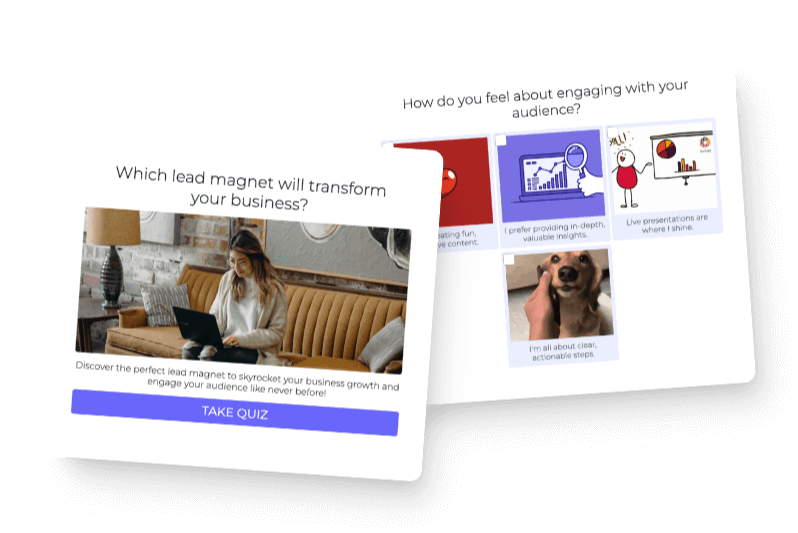

One of the most common conversations I have starts with someone who already has attention. They have website traffic, an audience on social, an email list, or some combination of all three, and they already understand that both attention and email are valuable.
What they usually feel is that there is something being left on the table between those two things. People are showing up, reading, watching, clicking, or browsing, but only a small percentage of them are taking the next step into a deeper relationship with the business.
That is usually why they come to me in the first place. They are not trying to solve an attention problem as much as they are trying to make more of the attention they already have.
What is interesting, though, is that the conversation almost never starts with the quiz itself. It starts with understanding how they already help people and, more specifically, what question people are coming to them hoping to get answered.

Finding the question underneath the question
The first thing I spend a lot of time on is figuring out the question the audience is already trying to answer. That sounds simple on the surface, but in practice it is often the part of the process that requires the most thought.
Sometimes the question is really obvious. Someone comes to a career expert because they are trying to figure out what career path might fit them, or someone comes to a skincare company because they want to know which products are right for their skin.
But a lot of the time, the first question is not actually the real question. There is usually something a little deeper underneath it that explains why the person is searching, reading, clicking, or asking for help in the first place.
Someone might say they want more leads, but the deeper question might really be, “How do I make more of the attention I already have?” Someone else might say they need a better lead magnet, when what they are really trying to figure out is how to give people something that feels more relevant and specific to them.
That is why I spend so much time here. Once you understand the real question people are trying to answer, everything else starts to flow from it.
Figuring out the possible answers
Once the underlying question is clear, the next thing to figure out is what the legitimate answers to that question actually are. If someone is asking, “What career path is right for me?” then the answers are the different career paths that might fit them.
If someone is trying to figure out the right marketing strategy for their business, there might be several completely different answers depending on where they are starting, what resources they have, and what they are ultimately trying to accomplish.
Those answers become the destinations you are routing people toward.
This is where I think a lot of experts already have much more of the system built than they realize. If you have worked with enough customers, clients, students, or readers, you start to recognize that certain types of people tend to need certain types of advice.
One person comes to you with a particular combination of problems and you already have a pretty good idea of what direction they should go. Someone else shows up with a completely different situation, and you know their path should look different.
You may have never formally written those groups down, but the categories are already there in your head.
Expertise is often a routing system
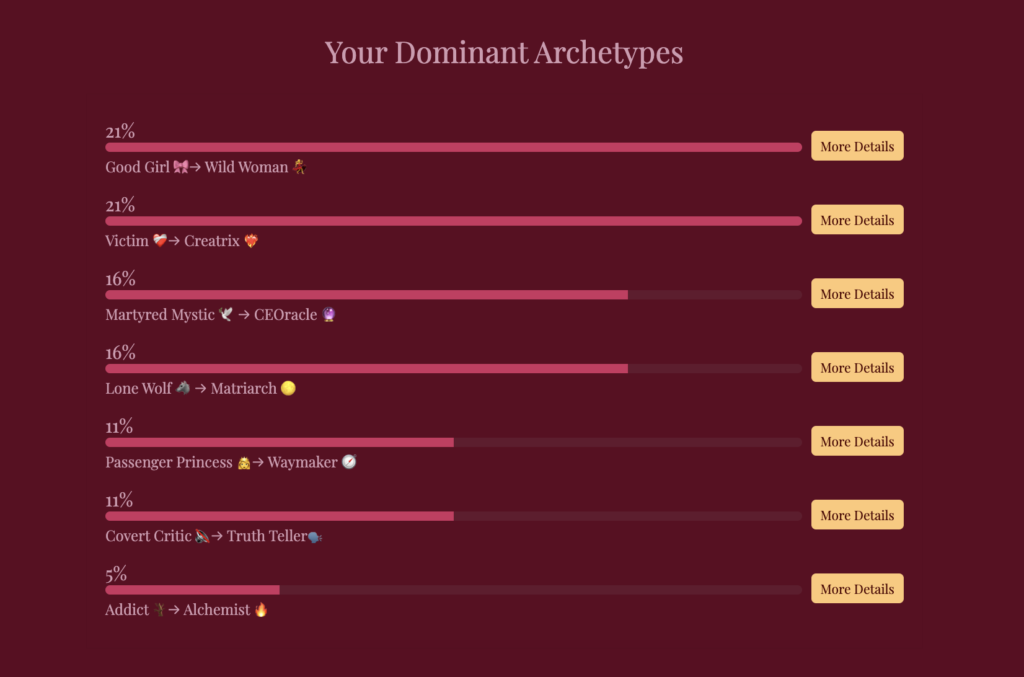
This is the part of the process that I find most interesting, because experts rarely have one answer that they give to everyone. They usually help people solve one broad problem, but the specific answer changes depending on who is sitting in front of them.
That is really what expertise is. You have seen enough situations that you start recognizing patterns, and those patterns tell you what someone probably needs next.
You know that a person in one situation is likely to need a certain kind of recommendation, while someone in another situation would be better served by a completely different path. Over time, that decision-making process becomes almost automatic.
A good interactive experience takes that thinking and makes it visible. It turns the logic that already exists inside the expert’s head into something that more people can move through on their own.
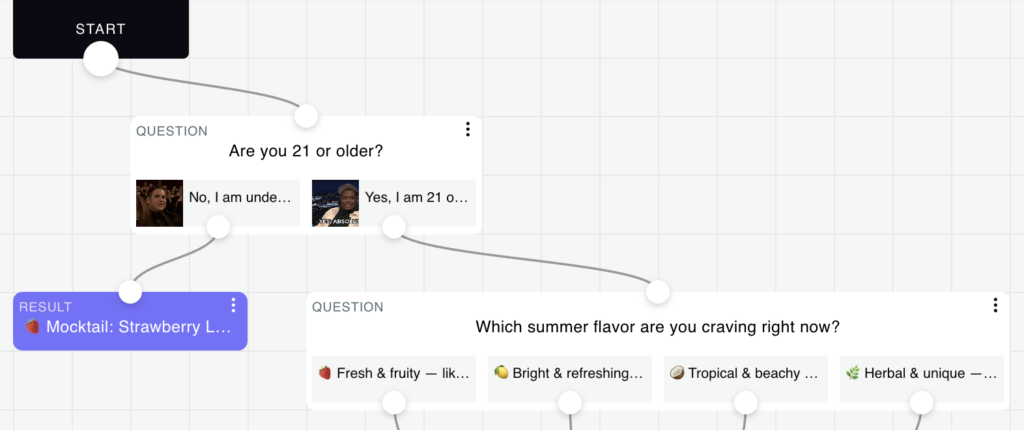
That is also why the best quizzes tend to feel less like quizzes and more like conversations. They are recreating the kinds of questions an expert would naturally ask if they were sitting across the table from someone and trying to understand what would actually be most useful for them.
The questions are there to help with the routing
Once the possible destinations are clear, then it becomes much easier to figure out which questions need to be asked. At that point, every question has a very specific job, which is to help determine which outcome makes the most sense for the person taking the quiz.
The way I usually think about it is, what would I need to know about this person if I were having this conversation with them directly? What information would actually change the recommendation I would give them?
That might be something about their goals, their current situation, the challenge they are facing, their level of experience, or the way they naturally approach a problem. The exact questions change depending on the business, but the purpose behind them stays the same.
You are trying to gather just enough information to route someone to the right destination.
Good questions make people feel understood
There is another layer to this that matters a lot, which is that the questions need to feel easy to answer. You do not want someone staring at the screen wondering what you mean or trying to decide between two vague options that both kind of sound like them.
You want the person to read the answer choices and immediately have that feeling of, “Oh yeah, that one is me.”
When the questions and answer choices are good enough, something interesting starts happening before the person even gets to the result. They start to feel understood simply because the options reflect situations they actually recognize in themselves.
Sometimes people will go through a quiz and think, “Wow, this person really gets what I am dealing with,” before they have even seen the final recommendation. That is a big part of why this kind of content can create such a strong connection.
You are not only collecting information about somebody. You are showing them that you understand the situation they are in.
The result answers the question they came in with
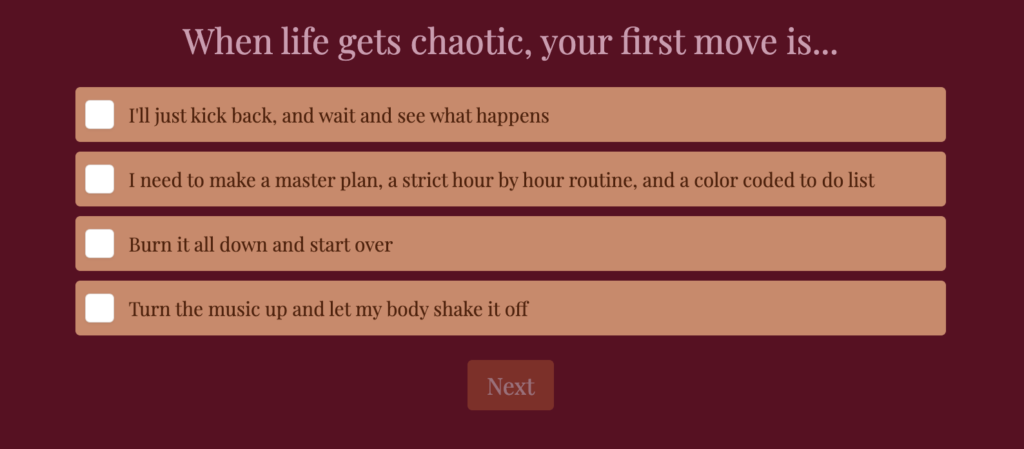
At the end of the experience, the person reaches the destination that fits them. That is where the whole thing comes together, because they started with a broad question and now they have an answer that feels more specific to their situation.
That answer might be a personality type, a career path, a product recommendation, a marketing strategy, an attachment style, a course, or simply the next step they should take. The exact format changes depending on the business, but the role of the outcome stays the same.
It is answering the question the person came in trying to solve.

Email becomes a natural continuation
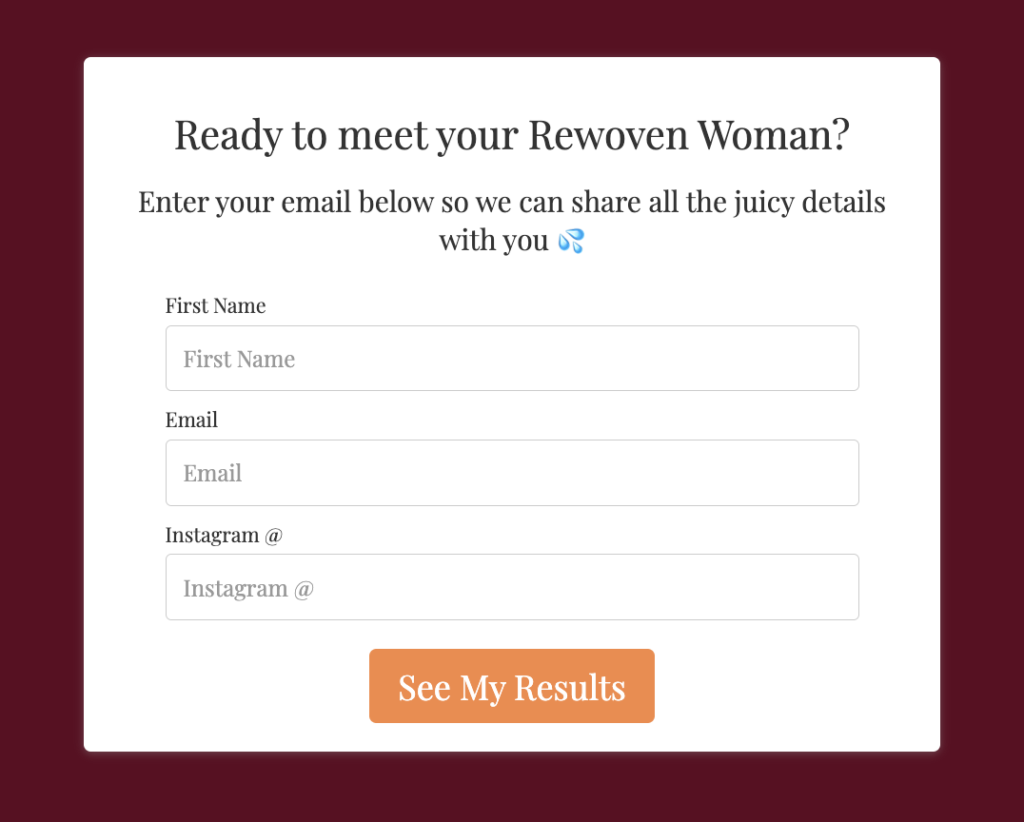
Once someone has already received something useful, email becomes much easier to introduce in a way that feels natural. I generally like to make the email opt-in optional and position it as a way for someone to go deeper if they want more help.
You can say something as simple as, “If you want a more detailed explanation of your result, I can send that to you,” or, “If you want the next steps for your outcome, enter your email and I will send them over.”
The important part is that the person already knows what they are getting. They have received the initial answer, they understand the value of the experience, and now they are deciding whether they want to continue the conversation.
That creates a very different dynamic from putting the result behind an email gate before someone has received any value at all.
Turning the way you think into something that can scale
When I zoom all the way out, this is really what the process is about. It is taking the way an expert already thinks about helping people and turning that into a system that can work even when the expert is not there personally.
There is a broad question that people come to you trying to answer. There are several legitimate answers to that question, and there are recognizable patterns in the kinds of people who tend to need each answer.
From there, you can figure out the handful of questions that help you understand which path fits someone best. Once those pieces are in place, the quiz is simply the interface that allows people to move through that decision-making process themselves.
That is what makes this kind of content so useful to me.
An expert can only have so many one-on-one conversations, but the way they think can reach far more people once it has been translated into a routing system. And for the person on the other side, it does not feel like they are moving through a generic funnel.
It feels like they are being guided toward the part of your expertise that is actually most relevant to them.