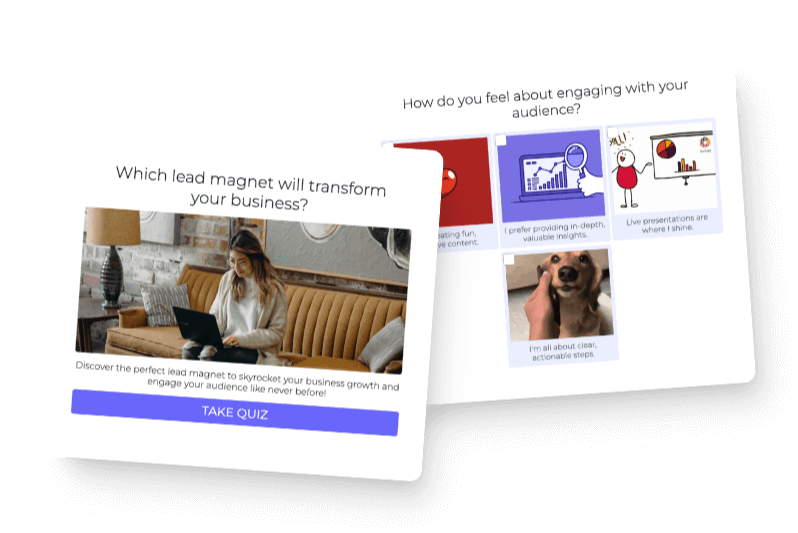

A quiz can help a nonprofit make its cause feel personal.
Someone might already care about animal welfare, volunteering, or an issue affecting people around the world. But caring about something and understanding your own connection to it are different things. A quiz gives someone a way to explore that connection.
They might discover an animal they feel drawn to, the kind of volunteer they could be, or how much they actually understand about an issue they’ve been hearing about. Each of those gives the person a reason to participate, and it creates an opening to go deeper.
Best Friends Animal Society is a good example. Its Sanctuary Soulmate quiz matches people with an animal at the sanctuary, and the surrounding page gives them ways to get involved, including sponsoring an animal.

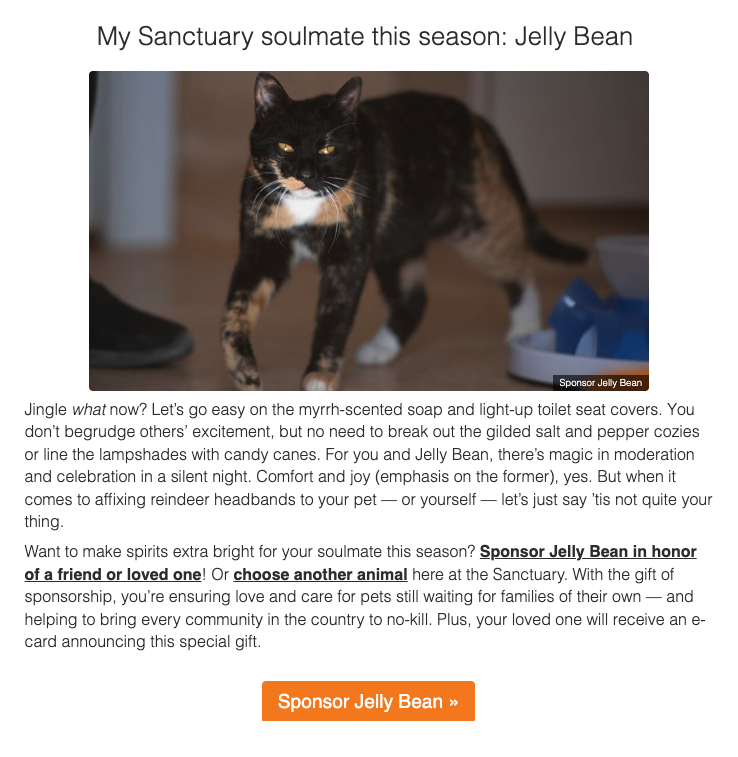
What I like about this is that it makes a large cause feel specific. Someone comes in caring about animals, takes the quiz, and gets introduced to an individual animal they can feel connected to. The result gives them something to be curious about.
From there, learning about that animal and considering sponsorship makes sense. There’s a connection between the experience of taking the quiz and the invitation to help. You’ve given someone a personal way into the work the organization is doing.
That’s the part I would study if I were creating a quiz for another nonprofit. Think about what would help your audience feel connected to your cause. The animal match makes sense for Best Friends because of who its audience is and what they care about. Your organization might need a different kind of connection.
I’ve also seen this with volunteer personality quizzes from the American Red Cross. The appeal is helping someone understand what kind of volunteer they might be and where they could fit. The Red Cross has promoted its volunteer quiz as a way to connect people with opportunities that fit their skills and interests.
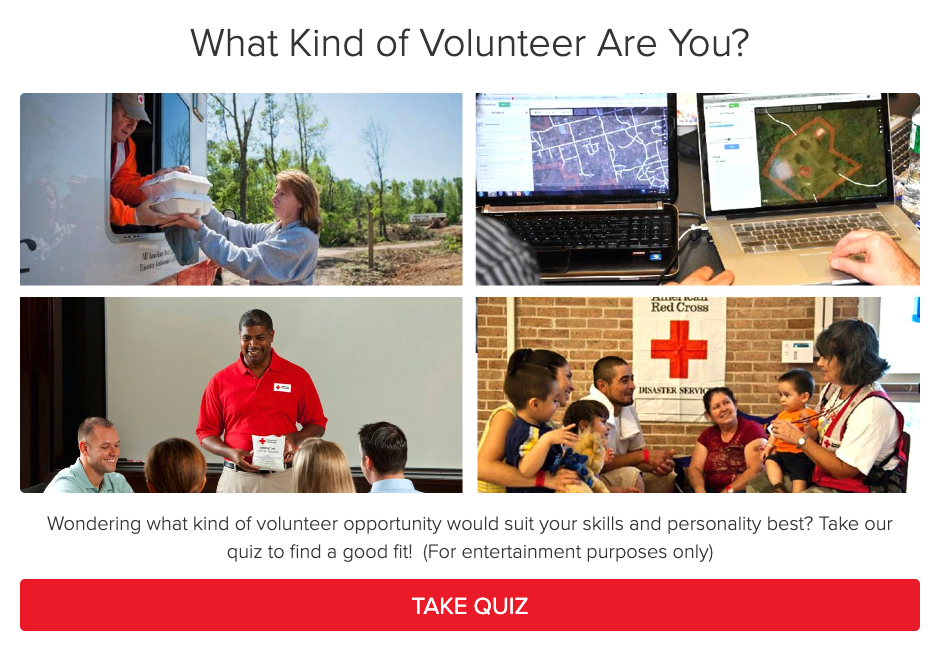
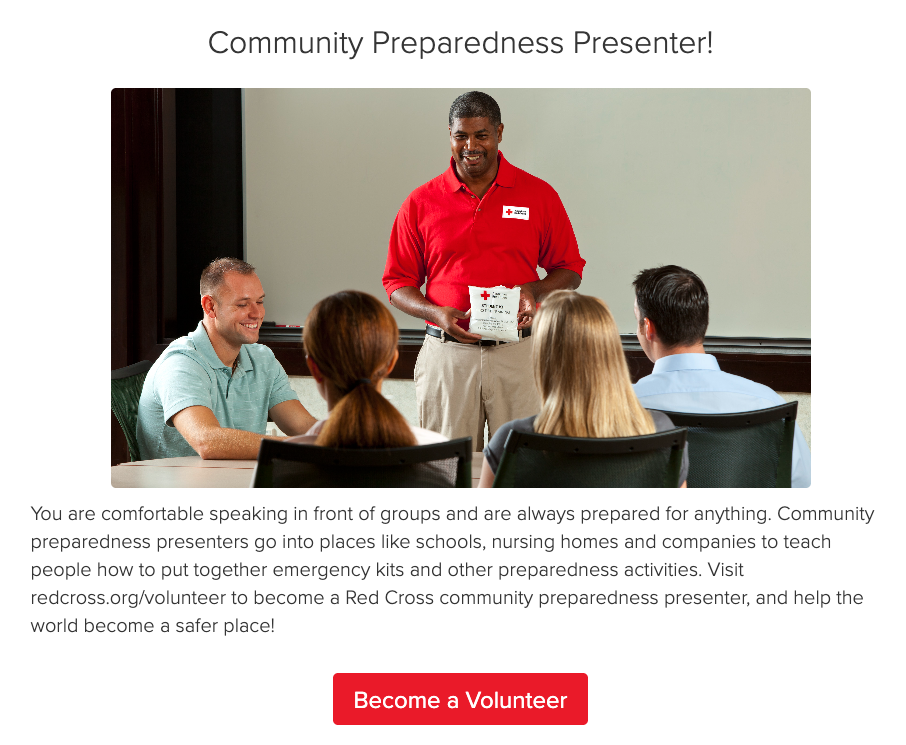
Someone can want to volunteer and still have no idea what that would look like for them. They may have a particular picture of volunteering in their head and wonder whether they’re suited to it. A quiz can help them see a way to contribute that they hadn’t considered.
For example, in a volunteer quiz you’re creating, one person might enjoy meeting people and helping them feel welcome. Another might prefer organizing things behind the scenes. Those are illustrative differences, but they show why understanding the person matters. The same invitation won’t help everyone picture themselves getting involved.
The result should explain how their interests or strengths could translate into a useful contribution. Then you can point them toward an opportunity to explore. You’re helping them see where they belong within the work.
Knowledge quizzes offer another way to make a cause personal. I’ve seen the UN and other agencies use them to help people understand whether they really know what’s going on with specific issues around the world.
If you’re making this kind of quiz, give people the explanation that helps them learn. Tell them the correct answer, explain why it matters, and offer a place to explore the subject further. A score alone doesn’t do much to develop their understanding.
You also want the tone to make someone comfortable continuing. Getting an answer wrong should give them a reason to learn more. You want them to leave understanding the issue better than when they arrived.
These examples give you a few ways to think about what your own quiz could do. It could help someone feel connected to a particular part of your cause, see how they could contribute, or discover something they want to understand more deeply.
Choose the approach that fits the person you’re trying to reach. If they want to find a way to volunteer, help them find one. If they’re curious about an issue, help them learn. If they feel connected to an animal’s story, make it easy to explore how they can support that animal.
The next step should build on the result. Sponsoring, volunteering, reading more, and joining an email list are different actions, and each needs a reason that makes sense to the person taking it.
Before you start writing your nonprofit’s quiz, think about someone who cares about your cause but hasn’t found their way into it yet. What could the quiz help them discover that would make that connection feel personal?