

If you’re creating a quiz to educate your audience, I would put just as much thought into the feedback after each question as you put into the questions themselves. That’s where you can explain something, add context, and help someone walk away knowing more than they did when they started.
The feedback should come immediately after someone answers. They’ve just thought about the question and made a choice. That’s a useful moment to explain why the correct answer is correct, while the question is still fresh in their mind.
And whether they got it right or wrong, I would keep that explanation on the positive side. You want it to feel enlightening. Give them something interesting to understand, something that makes them think, “Oh, I didn’t know that.”
The Natural History Museum in the UK has a collection of quizzes about the natural world, including insects, birdsong, and dinosaurs. Its “What’s that insect?” quiz asks people to identify common insect groups.
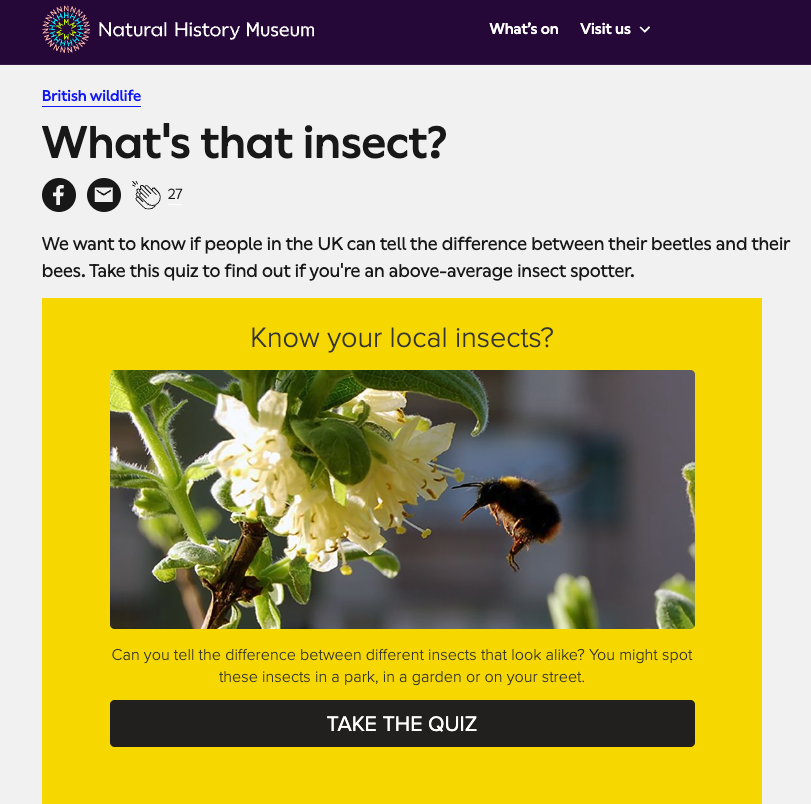
That’s an approachable question for someone who’s curious about nature. They might recognize an insect from their garden or from a walk, but be unsure what it actually is. The quiz gives them a reason to look more closely and think about what they know.
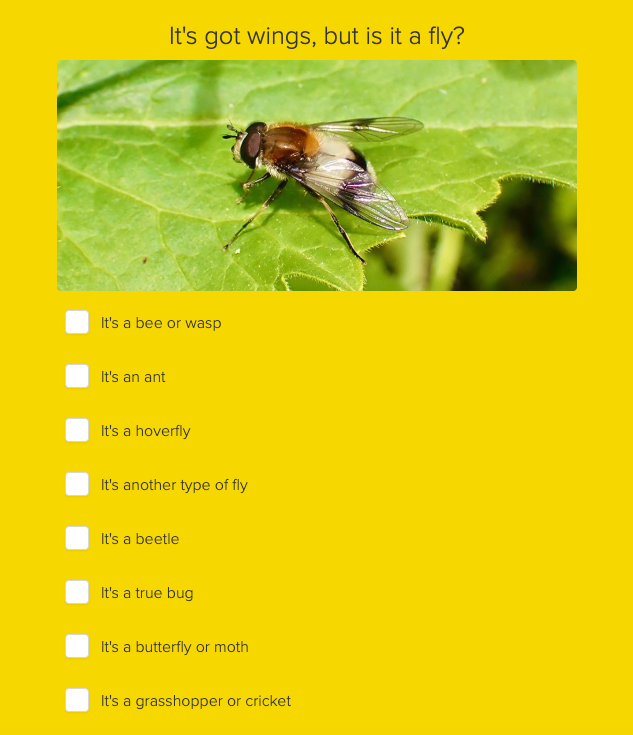
For an educational quiz like this, I would use the answer explanation to help someone understand what they’re looking at. Point out a feature that distinguishes the correct insect from another one they might confuse it with. Then add a little information about its behavior or where they might see it.
The important part is that the person gets something they can use the next time they encounter that insect. The explanation gives meaning to the answer.
If someone chose incorrectly, you can still clearly identify the correct answer. But spend the explanation helping them understand it. A response that mostly says, “You got it wrong,” uses that moment to emphasize the mistake, when you could be using it to teach.
The same care should go into feedback for a correct answer. Someone might have guessed. Or they might know which answer is correct without knowing why. Give them the explanation too, and add something that builds on what they already understand.
This is where your expertise becomes useful. You know the little detail that makes something click. You know which two things people tend to confuse, and how to explain the difference in a way that makes sense. Bring that into the quiz.
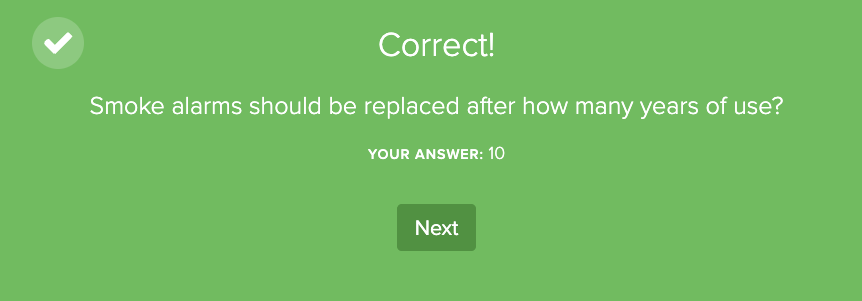
The Red Cross’s home fire quiz provides a historical example of this approach. The version we covered in 2023 asked questions about smoke alarms and home preparedness, with an explanation after each answer. Its results also provided preparation resources, including a home fire safety checklist and an escape plan.
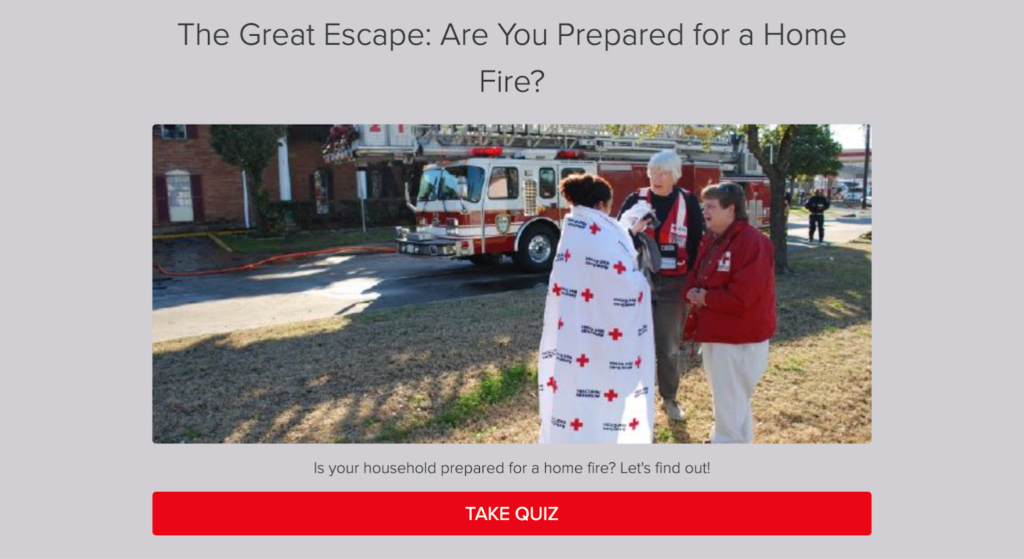
What I like about that approach is the connection between learning something and knowing what to do with it. The questions introduce things worth understanding, the explanations provide context, and the resources give someone a way to continue afterward.
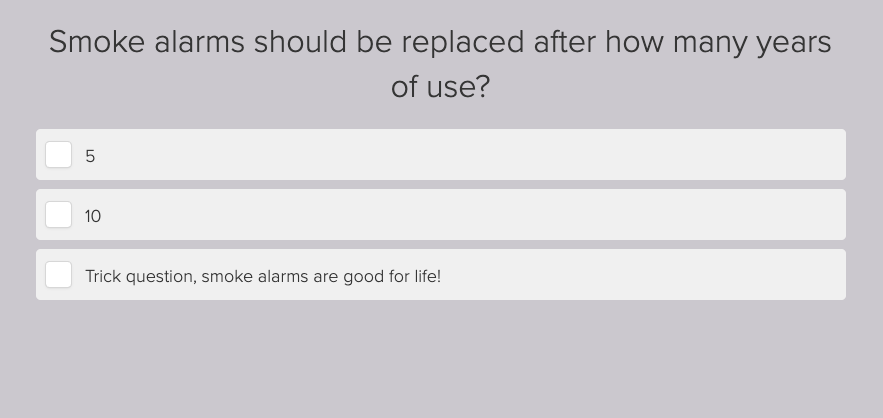
That also gives you a useful starting point when you’re choosing your own questions. Think about what you want someone to understand when they’re finished. What do people regularly ask you about? Where does a little explanation make a big difference? What would they find interesting enough to keep exploring?
Build your questions around those things. If you’re teaching beginners, use language they can understand before they’ve learned the answer. Give them a fair opportunity to think it through.
Then write the explanation alongside each question. Say what the correct answer is, explain why, and add a relevant detail. Keep it focused enough that someone can read it comfortably before moving on. A few useful sentences can do a lot.
At the end of the quiz, give people a natural way to continue. That could be a related article, a practical guide, or another topic they might enjoy learning about. Let the next step follow from the curiosity or understanding you’ve just helped them develop.
Before you publish, read through the quiz from the perspective of someone who gets several answers wrong. Would they still feel welcomed? Would they have learned something useful? Then do the same for someone who gets everything right. The explanations should give both people a reason to be glad they took it.