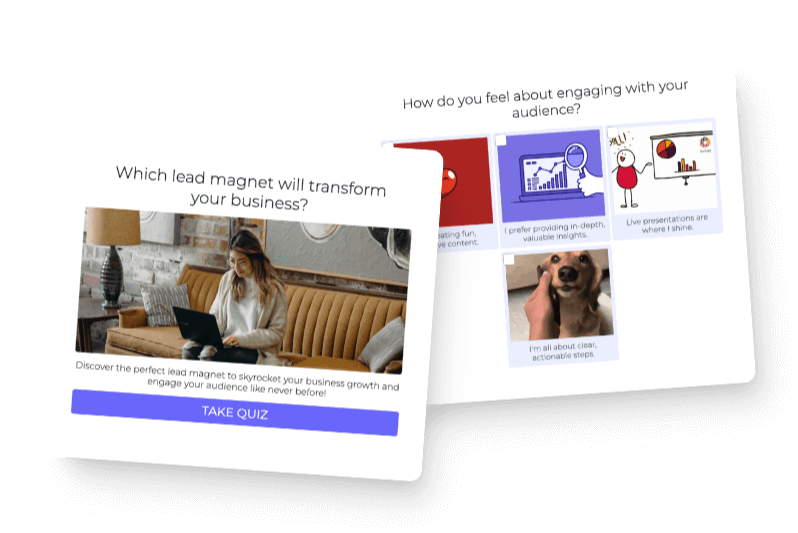

Quizzes, assessments, and product recommenders give attention somewhere useful to go.
Most businesses don’t have an attention problem. They have a what-happens-next problem.
People find you on Instagram, land on your website, hear you on a podcast, or click through from an ad. The attention is there.
Then we make a big jump. We ask them to buy, book a call, or join a generic newsletter.
Most people aren’t ready for that. They’re interested, but they still need help understanding what is right for them.
That gap — between getting someone’s attention and helping them take the next step — is the conversion point.
The conversion point is after the click
This is where a lot of marketing loses people. The content creates interest, but the next step asks for too much too soon.
A quiz gives that attention somewhere useful to go. Instead of remaining a passive visitor, someone starts answering questions, thinking about their situation, and showing you what they need.
The person gets something useful. The business gets a clearer signal. An anonymous visitor can become a known lead or a more informed buyer.
Quizzes convert attention into intent.
The quiz is not the hero
The next decision is.
A quiz, assessment, or product recommender is not just a lead magnet. It is a decision tool.
Instead of asking someone to subscribe for no clear reason, you help them answer a question they already have: Which product is right for me? What is holding me back? What is my style? What should I do first?
The email address becomes part of the experience, not the entire point of it. That changes the relationship from the first interaction.
The quiz is simply the bridge between discovery and a useful next step.
The Conversion Bridge
Someone notices you. Then they participate. They learn something about themselves, and you learn something useful about what they need.
Now the next step can be specific instead of generic. You can point them to the right result, resource, product, service, or email sequence based on the context they just gave you.
That is the bridge. It moves a person from “this is interesting” to “this is for me.”
Three things make the bridge work
1. Start with a question already in their head.
The best quiz topics sound like questions people are already asking. If the topic feels obvious, that is usually a good sign.
2. Help before you ask.
People share information when the experience gives them something useful in return. The goal is clarity, not just an email address.
3. Make the next step feel obvious.
Use the result to point to the right content, product, service, or email sequence. The next step should feel like a continuation of the answer.
The best next step matches the amount of trust you have earned.
What this looks like in practice: Dr. Morgan Coaching
Dr. Morgan’s Attachment Style Quiz is a good example of this working in the real world.
People discover Dr. Morgan through Instagram, her podcast, or her website. They are already thinking about their relationships and wondering how attachment style might be affecting them.
The quiz meets them in that exact moment. It helps them identify their pattern, gives them personalized context, and creates a natural reason to continue the conversation.
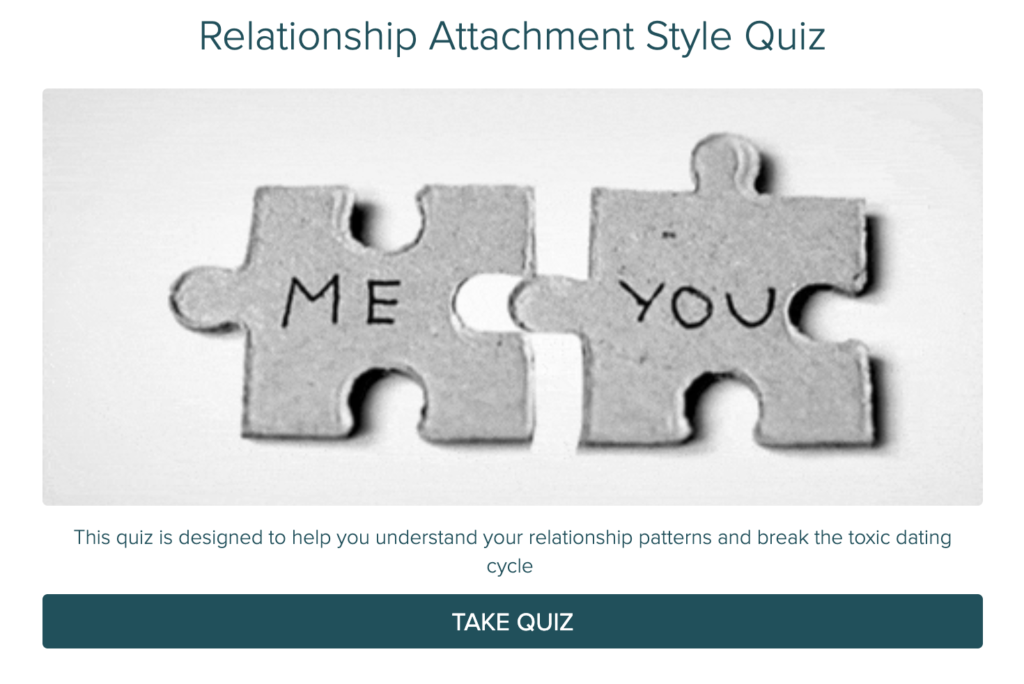
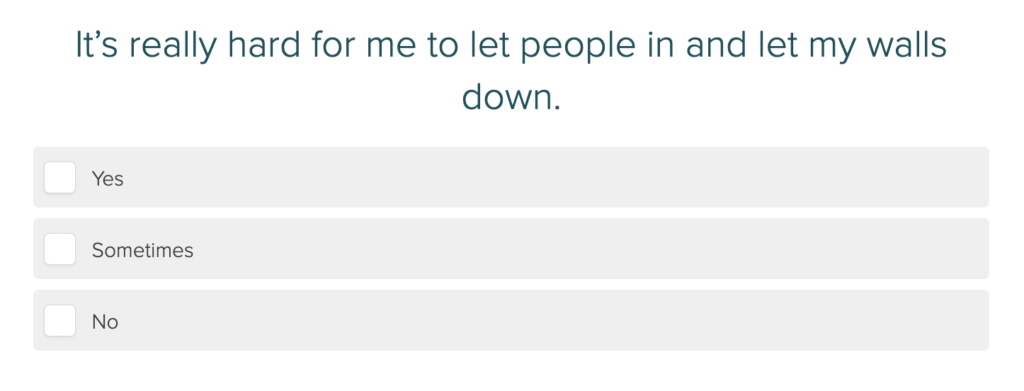
The result gives people a personalized explanation of what their attachment style means. From there, the experience can guide them into relevant email content, resources, or an offer.
Interact reports that Dr. Morgan’s quiz has added 40,000 people to her email list since it launched in 2020.
The important part is not that the quiz is a clever tactic. It works because it helps somebody make sense of something they already care about.
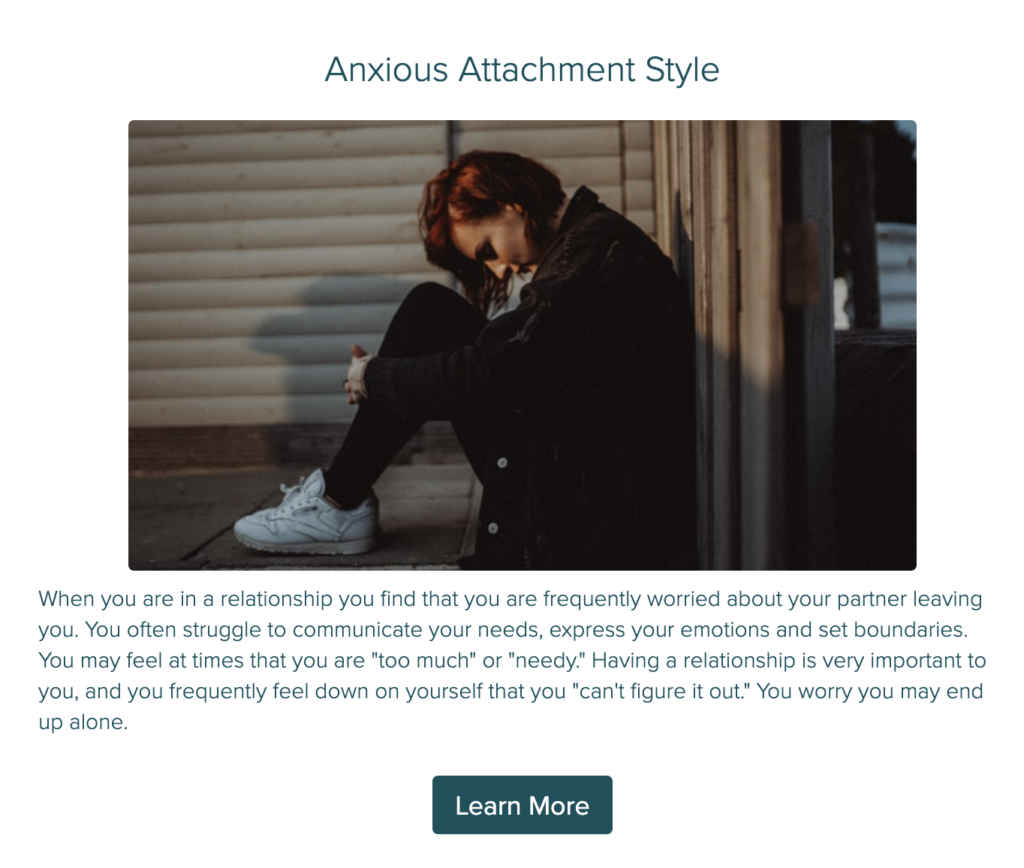
What happens after the result matters just as much as the quiz
More content is not always the answer.
Before making another post, campaign, or landing page, look at what happens after somebody becomes interested.
Can they do something that helps them understand themselves, compare options, or choose a direction?
Does the experience learn enough to guide them well?
Is the next step specific to what they just told you?
When those pieces are in place, the quiz does more than capture a lead. It creates momentum.
Final thought
Don’t just capture attention. Give it somewhere useful to go.
That is how attention becomes intent. Intent becomes a lead. And a lead has a chance to become revenue.