
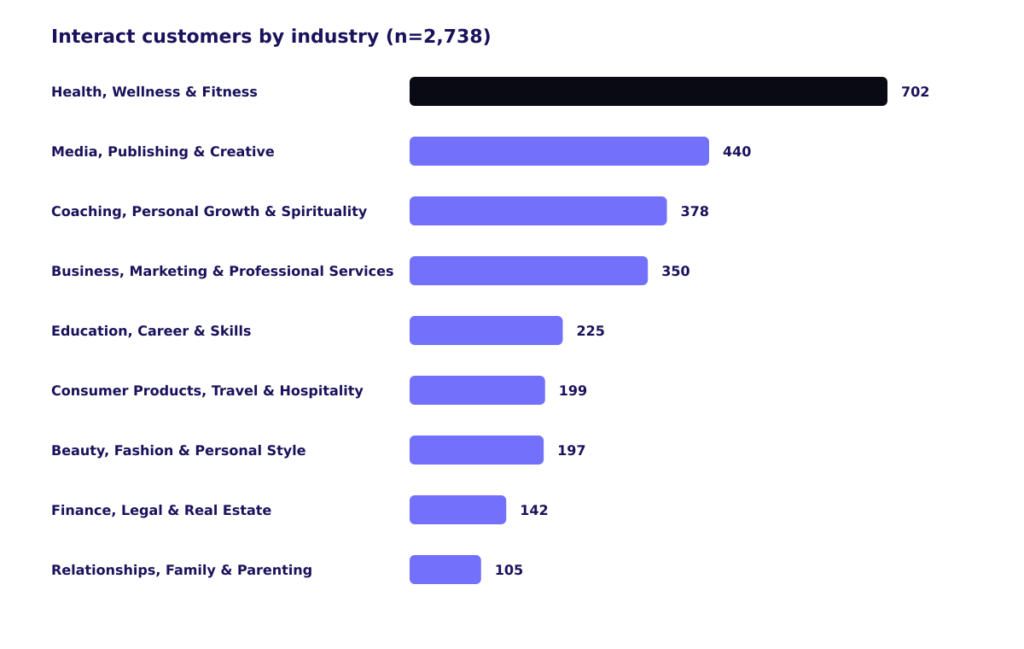
I analyzed 2,738 Interact customers to understand which types of businesses are using quizzes as lead magnets. Health, wellness, and fitness was the largest group, followed by media and creative businesses, coaching and personal growth, and business and professional services.
But the more interesting finding is not the ranking. It is the pattern underneath the ranking. Quiz lead magnets tend to work best for businesses that already have an audience, regularly answer the same important question, and know that the right answer depends on the person asking it.
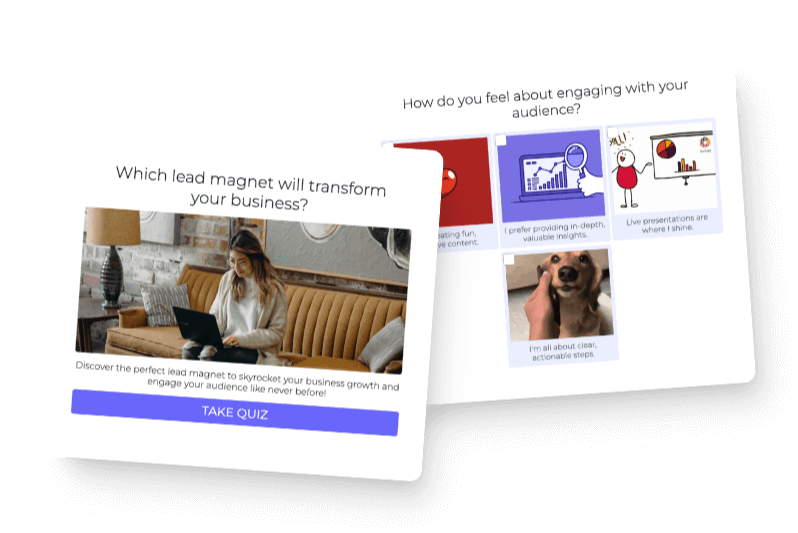
That is what a quiz is especially good at. It takes the follow-up questions an expert would normally ask in a conversation, lets the audience answer those questions on their own, and then guides each person toward a more relevant result. The business gets an email subscriber with useful context, and the person gets something more helpful than a generic PDF.
So this is not really a list of industries that have discovered a clever marketing tactic. It is a list of businesses where personalized guidance is already part of the value. The quiz simply makes that guidance available to more people, whether they arrive through a website, Instagram, a podcast, YouTube, or another place where the business has already earned attention.
1. Health, wellness, and fitness
Health, wellness, and fitness was the largest identifiable category in the customer list, with 702 businesses. This makes sense because health advice is almost always conditional. The right next step depends on your symptoms, goals, habits, history, current level, and the amount of time and energy you realistically have.
Cynthia Garcia’s quiz is a great example. It gives people a personalized plan instead of presenting them with every possible health recommendation at once. That is often the real question people have as they consume health information: This all sounds useful, but what should I actually focus on first?
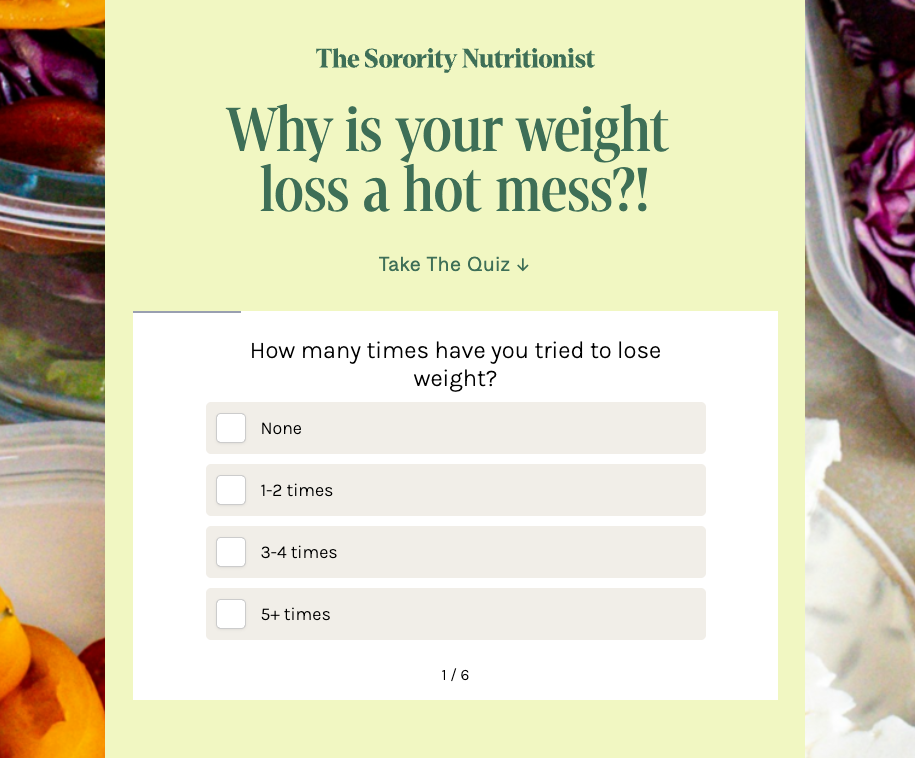
The Sorority Nutritionist uses a diagnostic quiz titled “Why Is Your Weight Loss a Hot Mess?” What I like about that quiz is that it is personalized in two ways. It identifies the reason someone may be struggling, but it also frames the question in the language the audience actually uses, which makes the whole experience feel like it was created by someone who understands them.
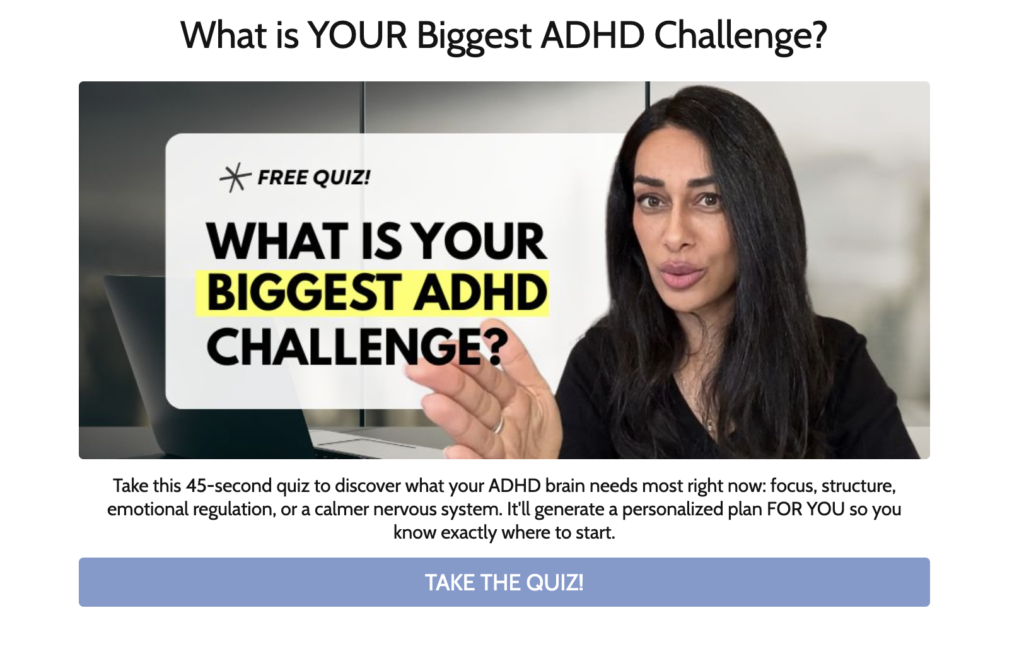
Dr. Sasha Hamdani, the Psych Doctor MD, uses a quiz to help people identify their biggest ADHD challenge. Her audience already knows her through Instagram, podcasts, and her book, but the quiz gives each person a more direct experience of her guidance. It feels a little bit like a consultation because the questions demonstrate such a clear understanding of how ADHD shows up in day-to-day life.
This same pattern shows up in nutrition diagnostics, hormone assessments, fitness-readiness quizzes, fertility quizzes, and mental-health self-assessments. Effective Fitness, for example, uses a readiness assessment for people preparing for active duty. They told me the leads arrive warm because each person already has a clearer sense of where they stand before the first conversation begins.
2. Media, publishing, and creative services
Media, publishing, and creative services was the second-largest identifiable category, with 440 businesses. That may sound surprising until you think about what successful authors, publishers, designers, photographers, and creator-led media brands are actually doing. They are taking a point of view or a body of work and helping an audience see themselves through it.
Gretchen Rubin’s Four Tendencies Quiz is one of the clearest examples. The quiz adapts a framework from her work into an experience that helps each person understand their own tendency and how it relates to living a happier life. It also gives people a natural way to move from discovering Gretchen through Google, Instagram, a podcast appearance, or press coverage onto her email list.
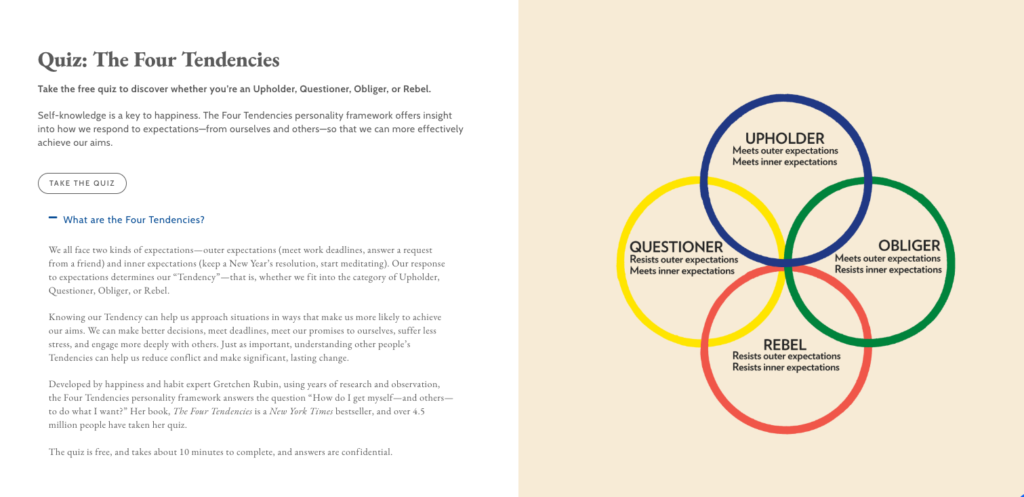
The same idea works for creative businesses because style and taste are personal. A designer can ask someone to choose between images, rooms, colors, or moods, then reflect a pattern back to them. A publisher or author can turn a proprietary framework into a self-discovery quiz that gives the audience an active way to enter the world of the work.
What matters is that the quiz does not feel like a generic content add-on. It needs to carry the creator’s actual perspective. The strongest examples feel like an interactive version of the thing the author, designer, or creator is already known for.
3. Coaching, personal growth, and spirituality
Coaching, personal growth, and spirituality accounted for 378 identifiable businesses. These businesses naturally see patterns in people. After enough conversations, a coach begins to recognize the recurring ways people get stuck, the different ways they are wired, and the types of guidance that tend to help each person move forward.
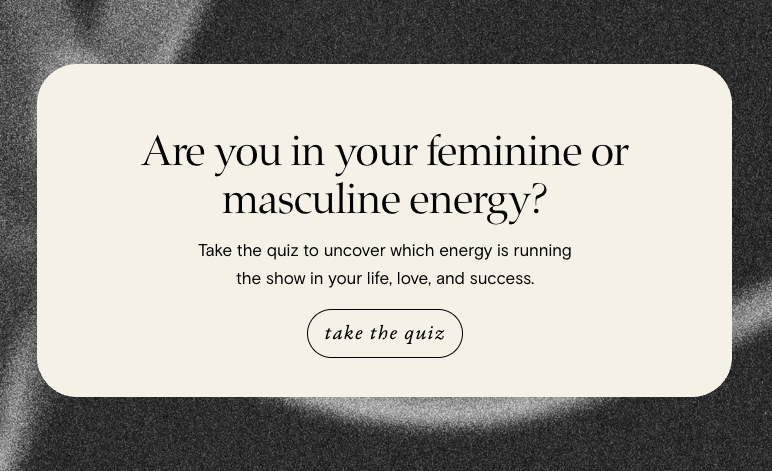
Jillz Guerin’s masculine and feminine energy quiz is a great example of this. It is a “which one are you?” quiz, but it is useful because the result affects how someone thinks about relationships, work, and life. Jillz also made the concept feel distinct to her own work instead of simply repeating a familiar idea.
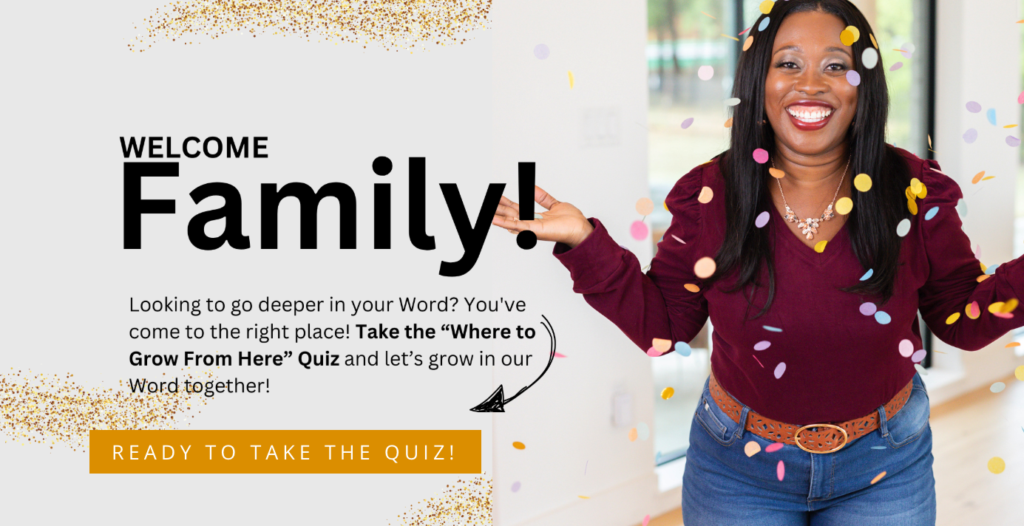
Rachel G. Scott uses a spiritual growth assessment to help people understand what may be holding them back in their faith journey.
Emily the Mystic uses a Starseed Type quiz to combine a personality-style experience with her expertise, and she said it had added more than 1,000 subscribers when I interviewed her. Life by Alissa uses a Sensitive Strength Archetype quiz, which frames sensitivity around strengths rather than deficiencies.
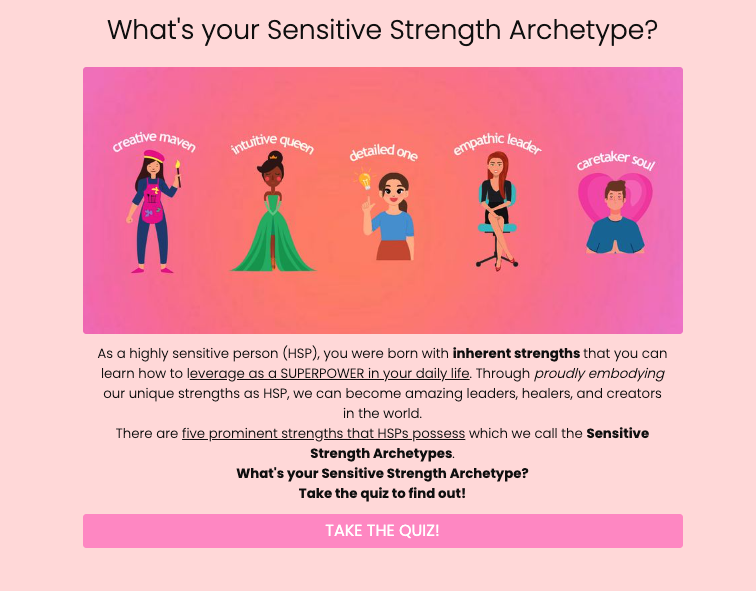
That positive framing is important. People are often willing to look at something personal when the experience helps them understand a strength, a tendency, or a path forward. The quiz works because it feels like guidance from the person they chose to learn from, not a label generated by a generic assessment.
4. Business, marketing, and professional services
Business, marketing, and professional services represented 350 identifiable businesses. The questions in this category are often about where someone is now and what they should do next. What stage is my business in? What is keeping me from growing? Which service, strategy, or template fits my situation?
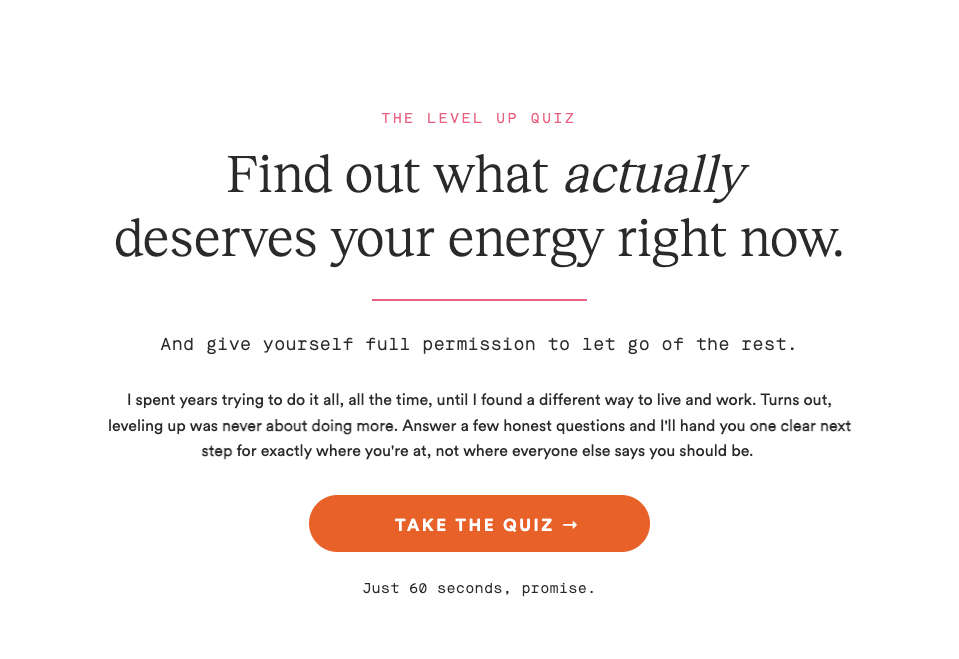
Jenna Kutcher’s Level Up Quiz is a perfect example of an assessment built around a benchmark. It helps you understand your current level and then points toward the next one. Jenna has shared that her Interact quizzes have collected more than 100,000 leads since she started using them in 2017.
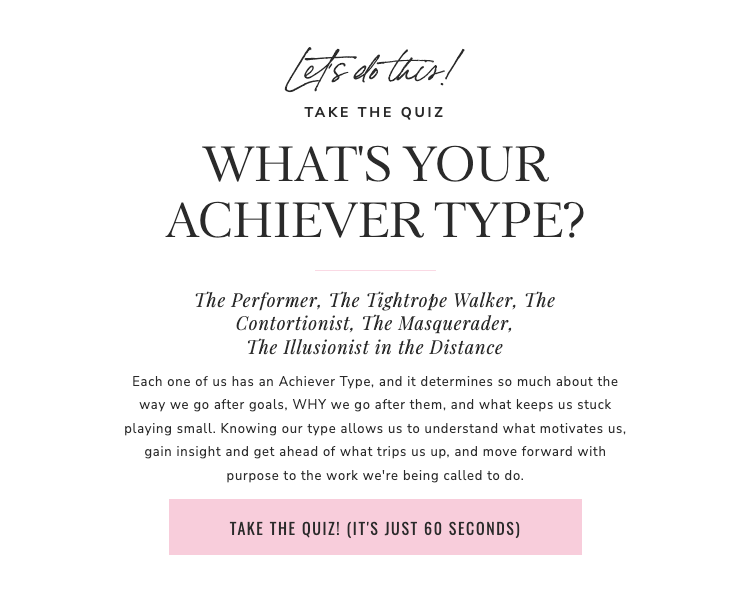
Mary Marantz’s Achiever Type quiz takes a different angle. It helps high achievers understand the way they operate and how that pattern affects business, relationships, and life. The business category can support both practical recommendation quizzes and deeper self-discovery quizzes because professional decisions usually involve both the situation someone is in and the person making the decision.
Tonic Site Shop offers another useful variation with its Website Template Match Quiz. It started years ago as a more personality-driven Brand Cocktail quiz, then evolved as the market became more direct and practical. The current version quickly guides someone to the right website template and has generated more than 80,000 leads over its lifetime.
What I like about these business examples is that none of them begins with “Join my newsletter.” The quiz begins with a question the person already wants answered. Email capture becomes a natural continuation of a useful experience.
5. Education, career, and skills
Education, career, and skills included 225 identifiable businesses. This is one of the clearest fits for a path-recommendation quiz because the audience is usually trying to choose a direction. They do not just want a list of possible careers, courses, or skills. They want to know which option makes sense for them.
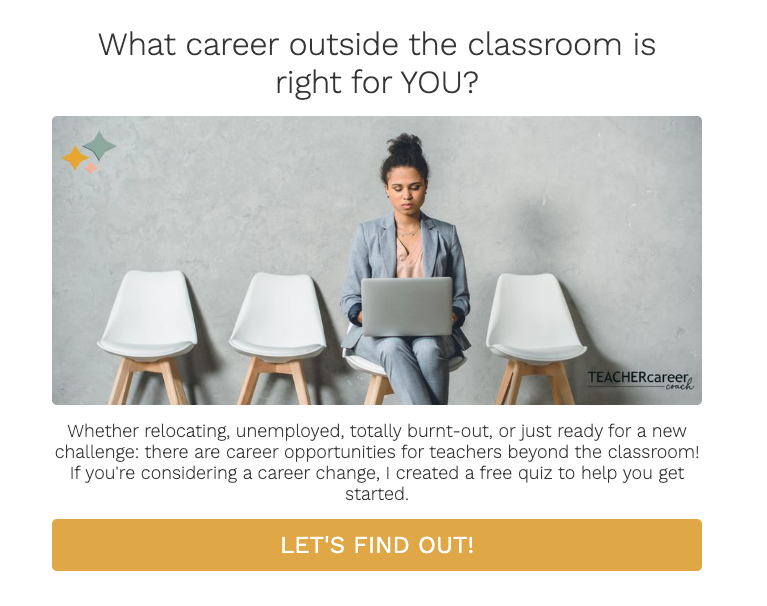
Teacher Career Coach’s quiz asks, “What Career Outside of the Classroom Is Right for You?” That is much more valuable than an article listing the best careers for former teachers because it answers the personal version of the question. The answer also comes from an expert who understands the transition, which is a meaningful part of why someone would trust it.
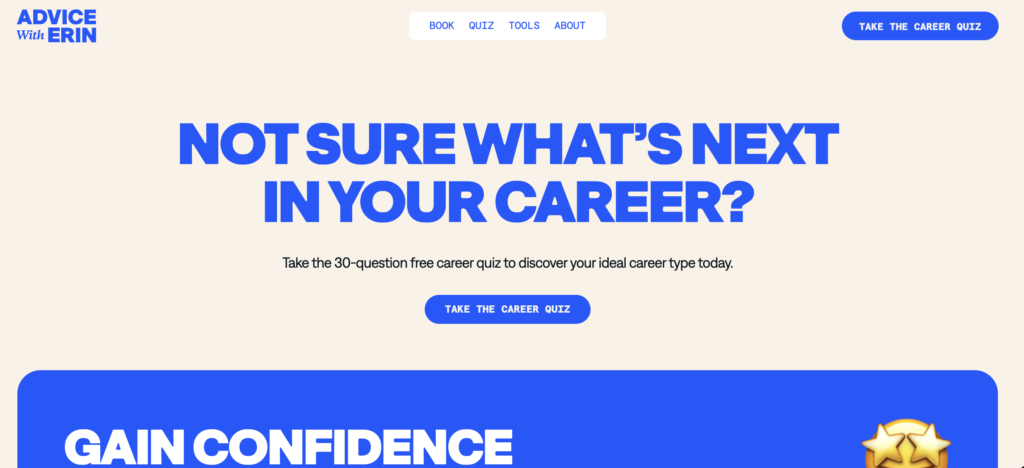
Advice With Erin’s Career Type Quiz came directly from repeated audience questions. Erin told me that people kept messaging her because something felt off, and over time she recognized that many of them were in the wrong type of career. She turned the patterns she had seen across those conversations into career types and quiz questions, and the quiz has added more than 140,000 subscribers to her email list.
Educator Forever uses a quiz to help teachers find their next best career step beyond the classroom. When I interviewed Lily, she talked about how the quiz creates active participation. The person is not just reading advice or downloading a file. They are engaging with the questions and beginning to make sense of their own direction.
This category also includes language learning, professional training, course recommendations, and skill assessments. Hadar Shemesh, for example, combines a speaker type with a speaking level, which gives the person both a sense of their style and a practical benchmark they can improve.
6. Consumer products, travel, and hospitality
Consumer products, travel, and hospitality accounted for 199 identifiable businesses. These businesses use quizzes to reduce choice overload. Instead of asking someone to compare every product, destination, package, or option, the quiz narrows the field based on the things that actually matter to that person.
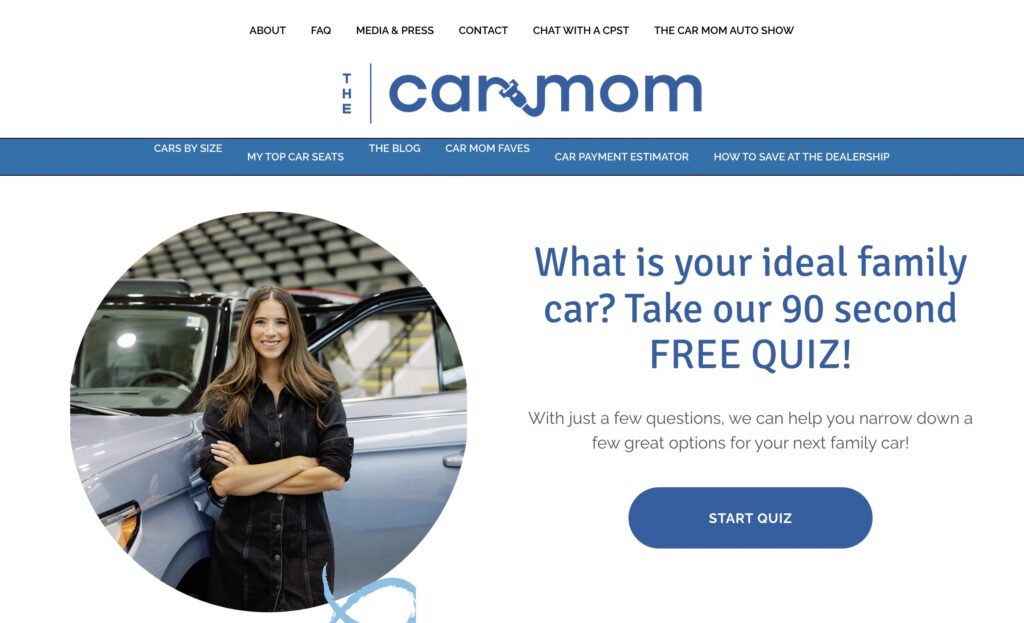
The Car Mom’s quiz asks, “Which family car is right for you?” That may be the most natural question someone has after watching family car reviews. Kelly uses branching logic to recommend a specific model first, then expands back out to a broader group of similar cars so the person has an anchor and still gets a useful amount of choice.
Redwood Outdoors uses a sauna quiz to account for indoor or outdoor placement, setup, and the number of people who will use it. Henry’s House of Coffee uses a Coffee Matchmaker to recommend coffee based on taste preferences. Both are simple examples of doing what a good salesperson would do in a store: ask a few relevant questions, narrow the options, and make a recommendation.
The best product quizzes are not just filters placed in a quiz-shaped container. They bring in the judgment of the business. That is especially powerful for expert-led commerce brands because the recommendation carries both product knowledge and the personality of the person or team behind the company.
7. Beauty, fashion, and personal style
Beauty, fashion, and personal style included 197 identifiable businesses. Quizzes are a natural fit here because the topic already combines self-discovery with a practical recommendation. People want to understand their style, but they also want to know which dress, service, product, color, or look will work for them.
Next Level Wardrobe has separate style quizzes for men and women. I appreciate that choice because it makes the experience feel more personal from the beginning, and the quizzes connect directly to the styling services the company offers. The person learns something about their style, joins the email list, and can see a relevant next step with the business.
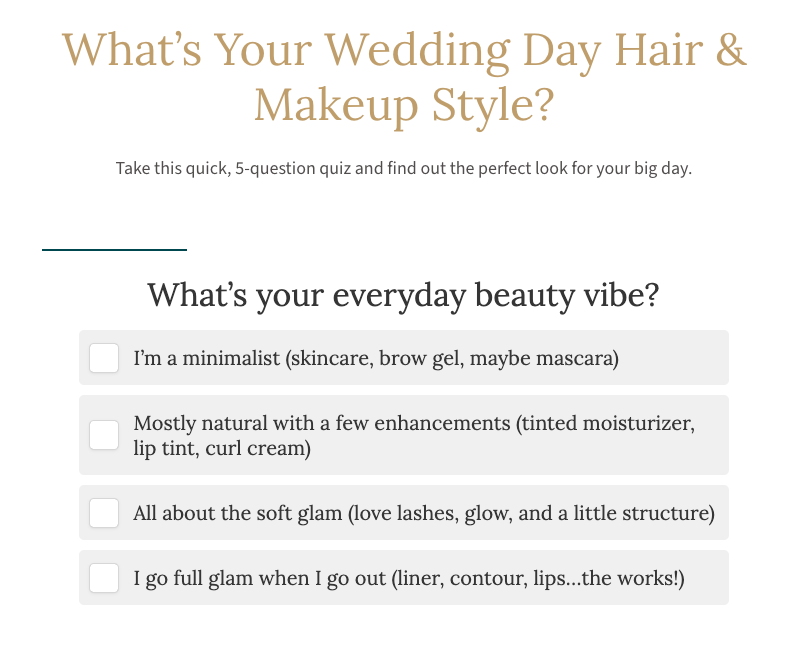
The Bridal Beauty Team’s quiz asks people to find their wedding-day hair and makeup style. On the audience side, that is an enjoyable and visual self-discovery experience. On the business side, it is also a service recommender that can guide each person toward a more appropriate offering.
Glow Pro Tans is a good example of the crossover between an expert-led brand and ecommerce. The quiz takes an Instagram audience into a personalized self-tanner match, then gives the business a way to continue the relationship through email. Cristina Cleveland’s interior design style quiz follows the same basic principle in a service business, using visual choices to make a familiar quiz concept feel specific to her design perspective.
8. Finance, legal, and real estate
Finance, legal, and real estate represented 142 identifiable businesses. These categories involve consequential decisions, so trust matters. A quiz is most useful when it helps someone understand their situation or tendencies without pretending to replace the professional advice they may need.
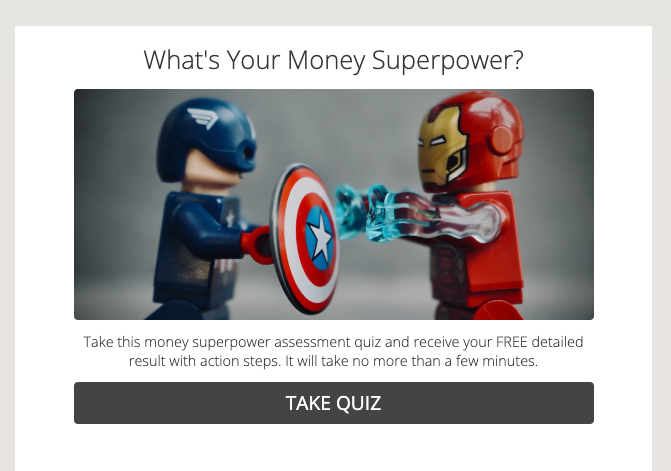
Tae Kim’s Financial Superpower Quiz is a really good example of keeping the concept simple. Tae has a set of four quizzes, but he told me that the Financial Superpower Quiz, which leads to only three outcomes, became his most successful quiz lead magnet. It shows that a quiz does not have to be extremely complex to help someone see a useful pattern in the way they approach money.
The same approach can work for real estate and professional services when the quiz answers a clear early-stage question. Someone might want to understand which type of property fits their priorities, how prepared they are for a purchase, or which service path matches their situation. The quiz should make the first step easier and more personal, while leaving the high-stakes judgment to the qualified professional.
9. Relationships, family, and parenting
Relationships, family, and parenting included 105 identifiable businesses. The total is smaller than some of the broader categories, but the fit is very strong because the questions are so personal. People want to know their attachment style, dating archetype, relationship pattern, parenting tendency, or the reason the same problem keeps showing up.
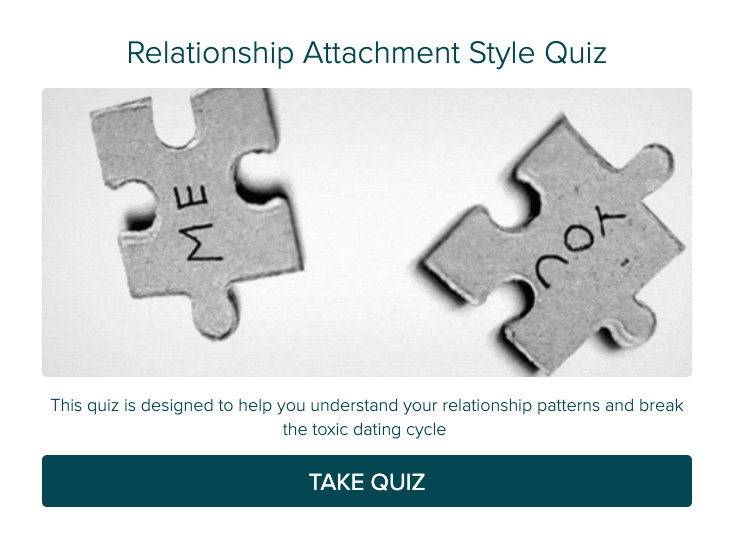
Dr. Morgan’s Attachment Style Quiz has been part of her business since 2020 and has brought in 40,000 email subscribers. It works as a companion to her podcast and Instagram presence, moving people from an audience she reaches through those channels into a relationship she can continue through email. Jessica Baum and Lilli Bewley use attachment-style and dating-archetype quizzes in similar ways, each adapted to the expert’s own framework and voice.
Alyssa Zander’s codependency quiz is also a useful reminder that the email gate does not have to be inside the quiz itself. Her results page invites people to subscribe to her Substack, and people do. The important part is that the quiz creates enough relevance and trust that the person wants to keep learning from the expert afterward.
The industry is only part of the answer
The category list is useful because it shows where quiz lead magnets are already a natural fit. But I would not look at it and conclude that every health business needs a quiz, or that a business outside these groups should not use one. The industry is a proxy for a more important set of conditions.
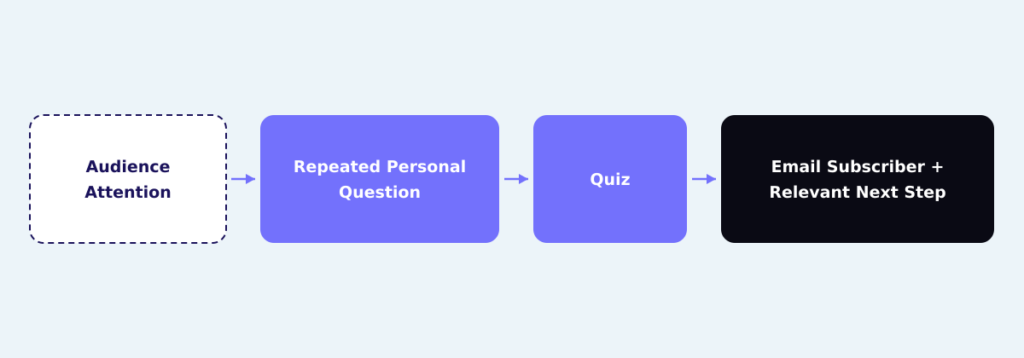
The businesses seeing the strongest results tend to already have attention coming from a website, Instagram, a podcast, YouTube, search, or another channel. Their audience repeatedly asks a question where the right answer depends on the person. The business has enough experience to recognize a handful of recurring patterns, and each pattern points toward a meaningful next step.
The expert’s voice also matters. The quiz should feel like the person or brand that created it. That is why the questions, answer choices, and results are not just functional pieces. They demonstrate that the business understands the audience and can guide them.
A quiz will not manufacture attention for a business that does not have it. What it can do is make more of the attention a business has already earned. It gives the audience a useful reason to move from Instagram, a podcast, YouTube, or a website onto an email list, while giving the business enough context to continue the conversation in a more relevant way.
If you are trying to find your quiz idea, start with the question your audience asks you all the time. If your honest answer is, “It depends,” pay attention to the follow-up questions you ask next. Those questions can become the quiz, the recurring recommendations can become the results, and the experience can become a 24-hour version of your best guidance.