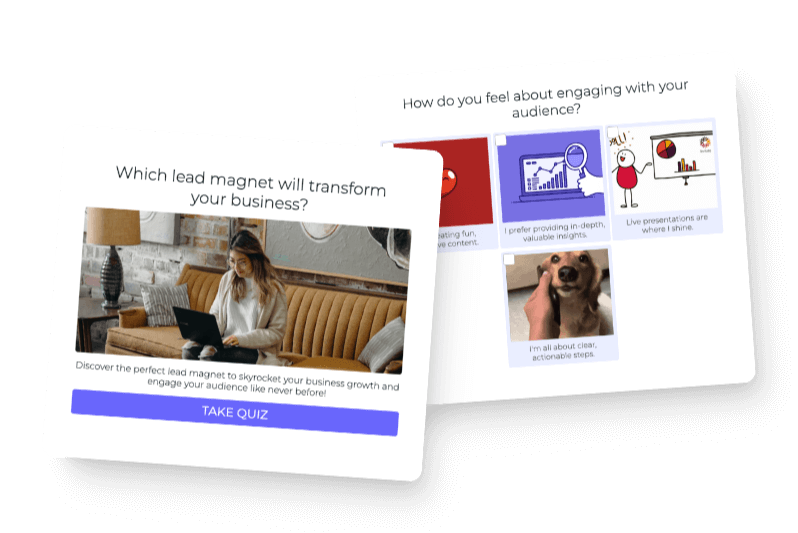

I was searching for a quiz on a customer’s website when I stumbled onto a newspaper headline from 1934. It was promoting a local community event built around a quiz. What caught my attention was how familiar the idea felt more than 90 years later.
There is a line I like: “History doesn’t repeat itself, but people do.” That is how I think about the lasting appeal of quizzes. People enjoy talking about themselves, especially when they feel heard, and they enjoy discovering something about themselves. A good quiz gives them both experiences.
First, quizzes let people talk about themselves
Think about what happens when someone asks you a question you actually want to answer. You get to explain what you like, what you struggle with, or how you see the world. A quiz can give you that opportunity one question at a time. You become an active part of the experience.
There is research behind the appeal of talking about ourselves. A study published in PNAS found that sharing information about the self was associated with activity in brain regions involved in reward. Participants were even willing to give up small amounts of money for opportunities to disclose information about themselves. The researchers also found value in sharing information with another person.
To me, that helps explain why answering a good quiz can feel so satisfying. Someone is asking about your experience and giving you room to express it. That feeling becomes stronger when the questions show an understanding of your situation. You can recognize the care that went into asking them.
The sense of being heard also depends on what happens with your answers. A well-written quiz uses them to guide you to an outcome that makes sense for your situation. If you say you struggle to speak up in meetings, the guidance should address that experience. That is how the quiz can feel like someone was listening.
Second, quizzes help people discover something about themselves
The questions give you a chance to express yourself, and the outcome gives you something to look forward to. What will I learn about myself? Will this help explain something I have been wondering about? That curiosity is a big part of why I think people keep taking quizzes.
Sometimes the discovery is playful, like finding out which dinosaur you resemble. Sometimes it gives you language for a pattern you have noticed, such as how you lead a team. Sometimes it helps you make a choice, like which car fits your life. In each case, you are looking for an answer that relates to you personally.
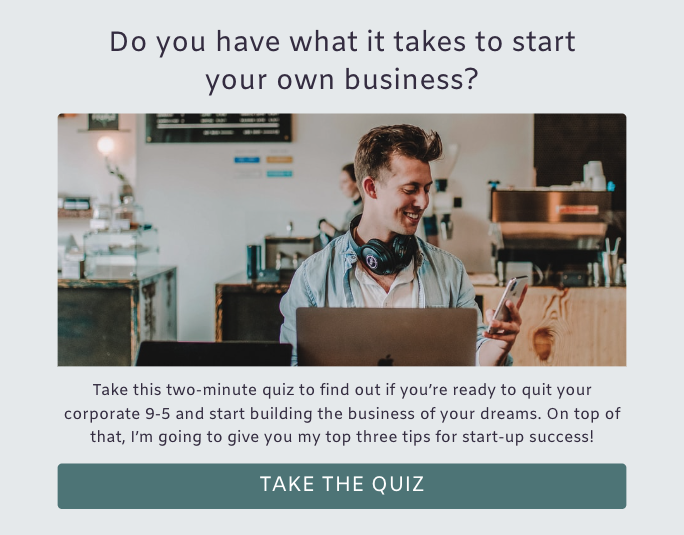
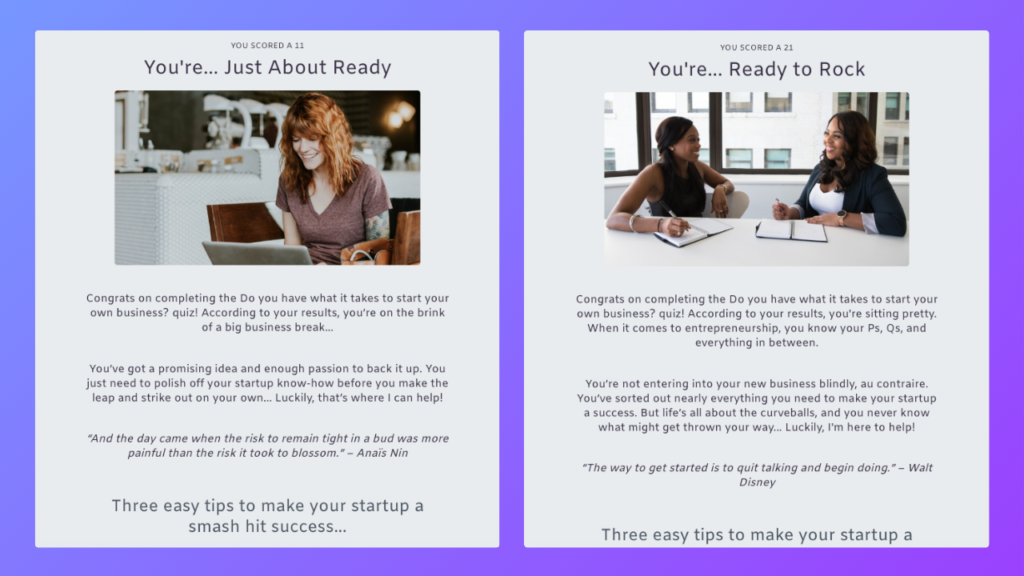
That personal insight has to feel earned. The outcome page should explain what the result means, why it fits the answers, and what the person can do with it. A useful result makes someone think, “I can see why I got this.” The questions and the outcome work together to create that moment.
Direct Energy makes energy questions personal
Direct Energy Canada’s quiz hub includes questions such as “What type of energy user are you?” and “Is my home suitable for solar?” These are topics people can connect to their own homes and habits. Each gives the customer a personal reason to take part.
I have interviewed Vilasini P. Pillay about this program twice. What stands out to me is how the team starts with the questions customers already have. They turn those questions into experiences where customers can participate and learn something useful about their own circumstances.
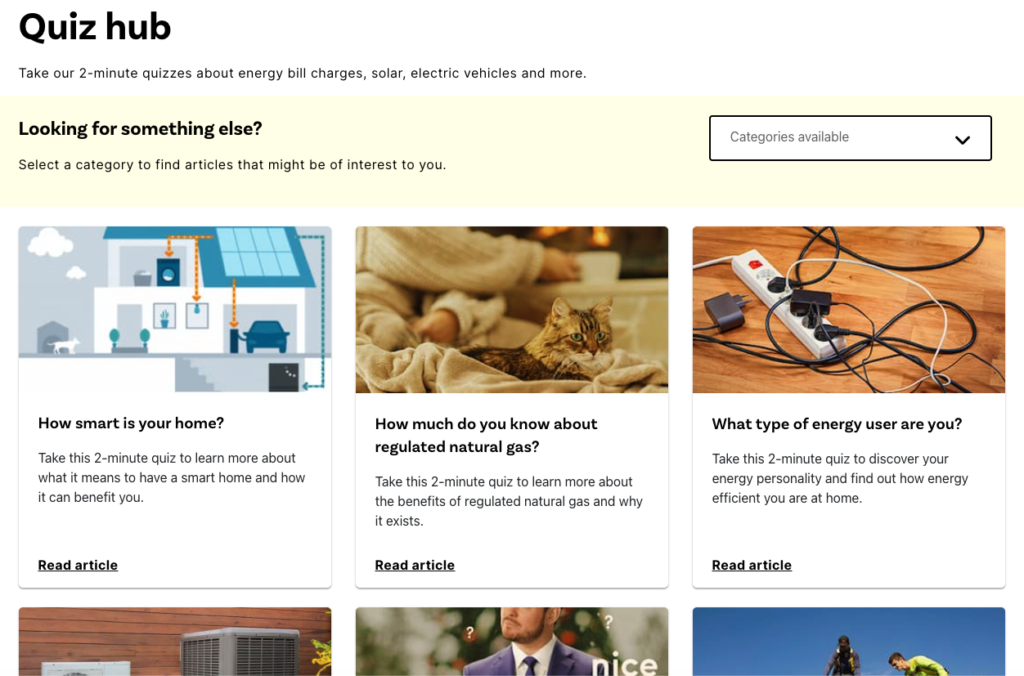
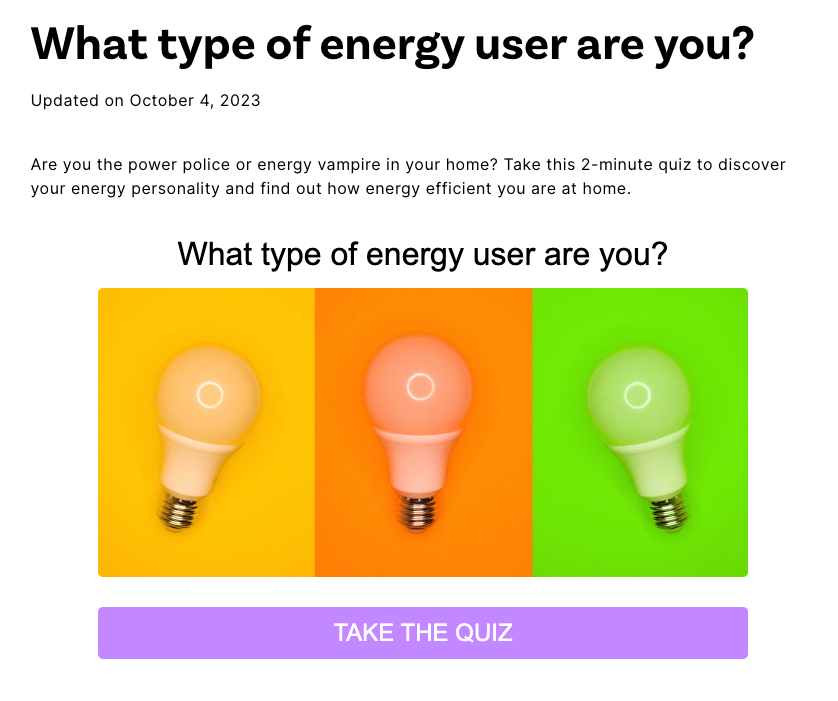
Content Marketing Institute’s case study reports that the first quiz, shared in a newsletter, generated more engagement than the company’s previous communications. The program went on to win Best Content Strategy at the 2025 Content Marketing Awards. The award recognized an entire strategy built around quizzes.
I see the two human motivations working together here. Customers get to share something about themselves or test what they know. Then they receive information connected to their own home, habits, or decisions. That makes an everyday subject like energy feel personally relevant.
Atlassian helps people recognize themselves at work
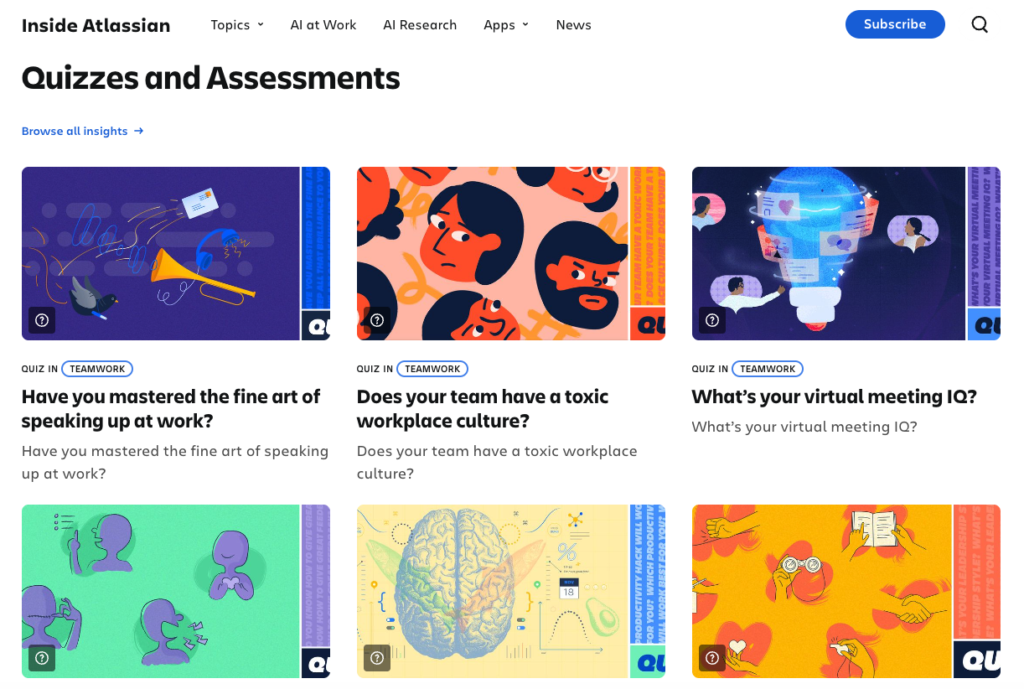
Atlassian’s archive of quizzes covers leadership, communication, meetings, and workplace culture. I have interviewed Sarah Goff-Dupont about the company’s approach to quizzes. These are subjects people experience every day, so there is plenty for them to recognize in the questions.
You can find your leadership style or test your virtual meeting IQ. Those invitations immediately make the subject personal. You are thinking about how you behave, what you know, and where you might have room to improve.
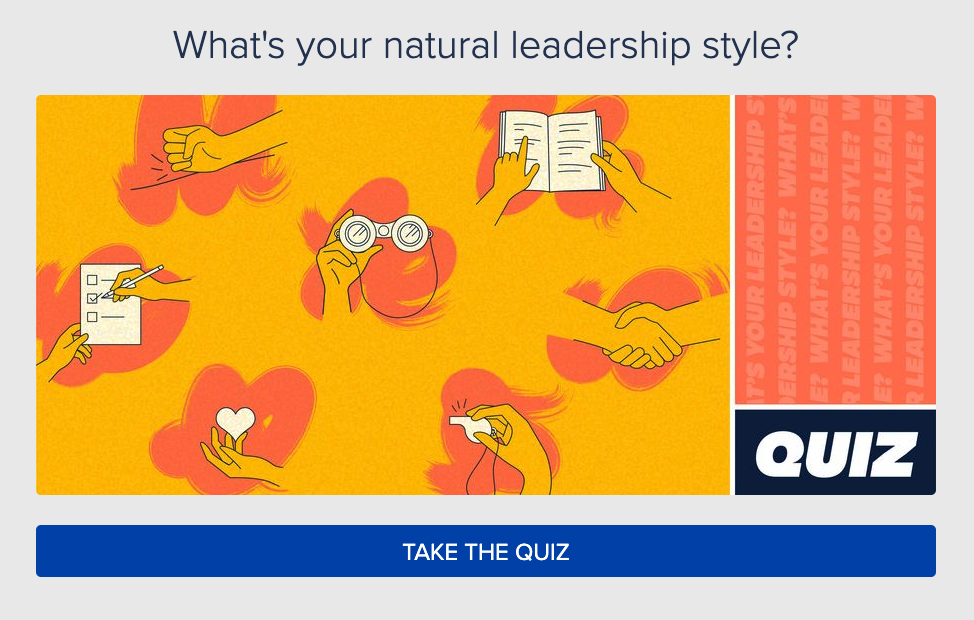
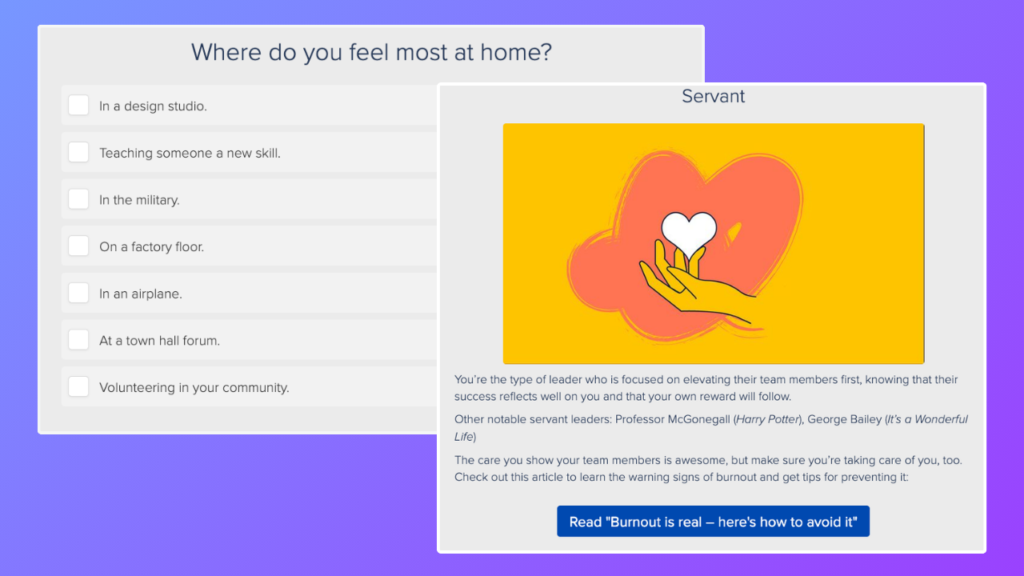
A leadership quiz can help someone put words to an approach they already use. The questions create room to reflect, and the outcome offers a way to understand that reflection. That is the kind of personal discovery I mean. It can be useful precisely because it gives a familiar experience a clearer name.
The Natural History Museum makes discovery playful
The Natural History Museum in London has a quiz collection spanning dinosaurs, insects, birdsong, and other parts of the natural world. Some quizzes test what you know, while others invite you to see yourself in the subject. Both give you a reason to participate.
You can find out what dinosaur you are or what insect you are. You can also try the “What’s that insect?” quiz to see how well you recognize different insects. One kind of quiz offers a playful connection to your personality; the other helps you discover something about your knowledge.
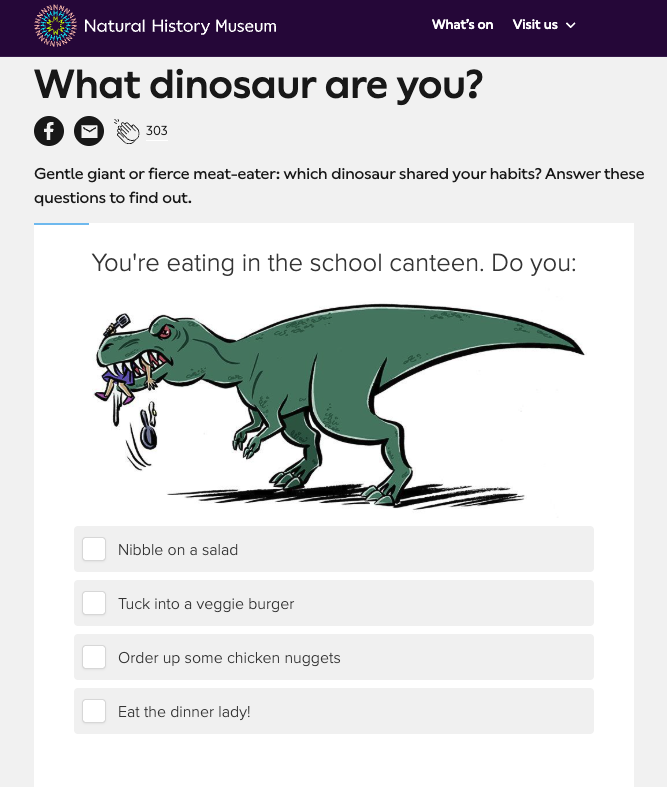
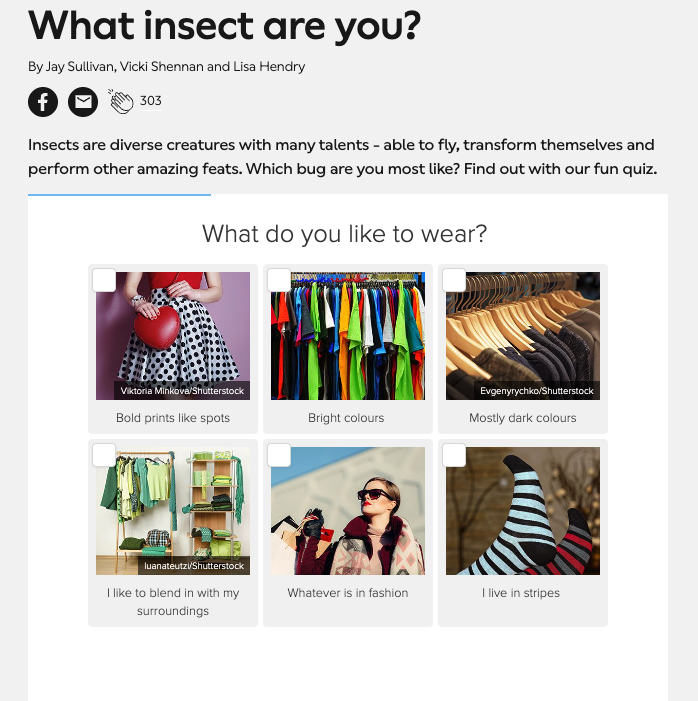
I like these examples because the personal reward creates an opening for learning. You arrive curious about which dinosaur you resemble or how much you know. As you participate, the museum has an opportunity to introduce you to its subject. Your curiosity about yourself becomes part of the educational experience.
Why quizzes still make sense with AI
AI gives people new ways to ask questions and explore ideas. The human motivations behind those conversations are familiar: people want to explain their situation and get an answer that matters to them. Those are the same motivations a good quiz serves. New technology gives them another place to show up.
A quiz offers a guided way to do both. The creator has already chosen the questions, provided answer choices, and defined the possible outcomes. The person taking it can recognize their experience in those choices and follow a clear path toward a result. There is a promise from the beginning that the questions will lead somewhere personal.
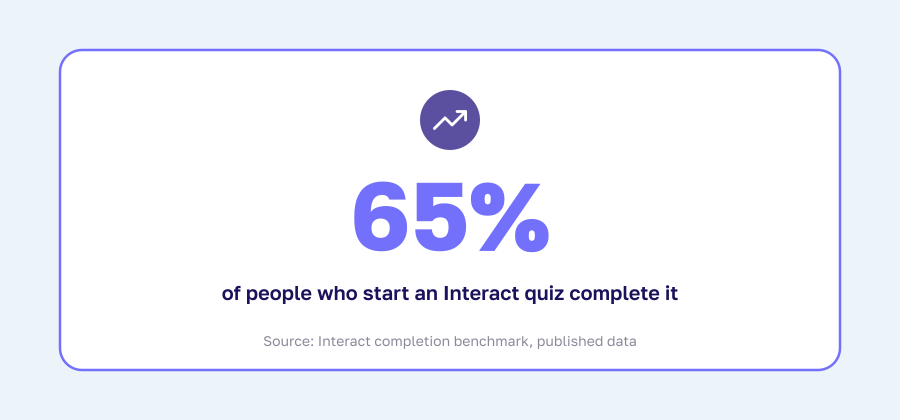
Our published Interact benchmark puts quiz completion at 65% of people who start a quiz. That is comfortably north of 60%, or roughly two out of three starters reaching the end. I see that as strong evidence that people are willing to give this format their attention. My explanation for its staying power is the combination of self-expression along the way and personal discovery at the end.
That is why I still think quizzes are one of the best tools for these two jobs, even with AI available. A thoughtfully written quiz makes it easy to talk about yourself and gives you a reason to stay curious about the result. Those rewards are rooted in human nature. I expect them to keep mattering as the technology around us changes.
The questions have to make people feel understood
The lasting appeal of quizzes creates an opportunity, and the quality of the questions determines what you do with it. Start by listening to the questions your audience already asks you. Pay attention to how they describe their experiences in conversations, comments, and emails. That language helps you write questions and answer choices they can recognize.
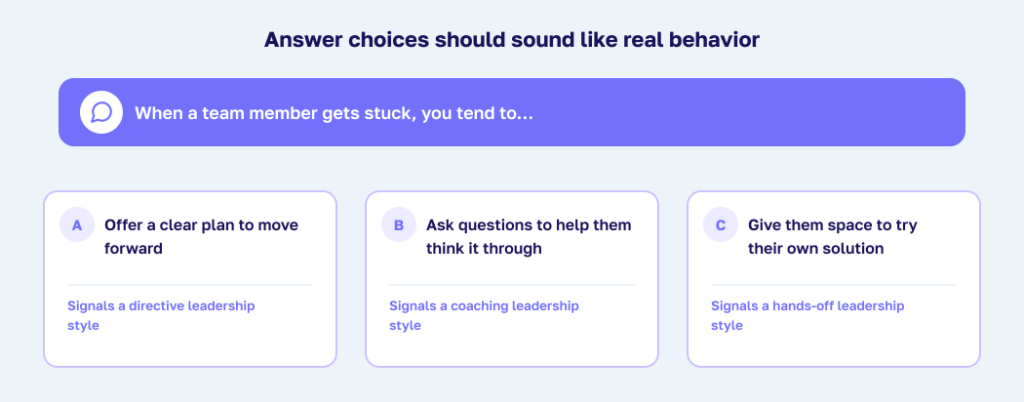
For example, a leadership quiz could ask what you tend to do when a team member gets stuck. The answer choices might describe offering a clear plan, asking questions to help them think, or giving them space to try a solution. Each choice should feel like something a real person would do. The reader should be able to answer without having to translate a label into their own experience.
Then make the outcome worthy of the information someone shared. Explain the pattern their answers suggest and offer a useful next step. That might be a free resource, an exercise, or an offer that fits what they need. The personal discovery should carry through into the guidance.
A quiz can sell the way a good conversation does
Quizzes are also a great selling tool, and I think the reason is very human. Imagine you are having a real conversation with someone who might buy from you. You first try to understand who they are, what they care about, what motivates them, and what they want to achieve. That understanding gives you a way to explain how your product or solution fits into their life.
That is exactly the kind of conversation a well-built quiz can guide. The questions help someone describe their situation and goals. Their answers guide them toward an outcome, and the outcome connects what they want with a relevant way you can help. You are building the recommendation around what the person has told you.
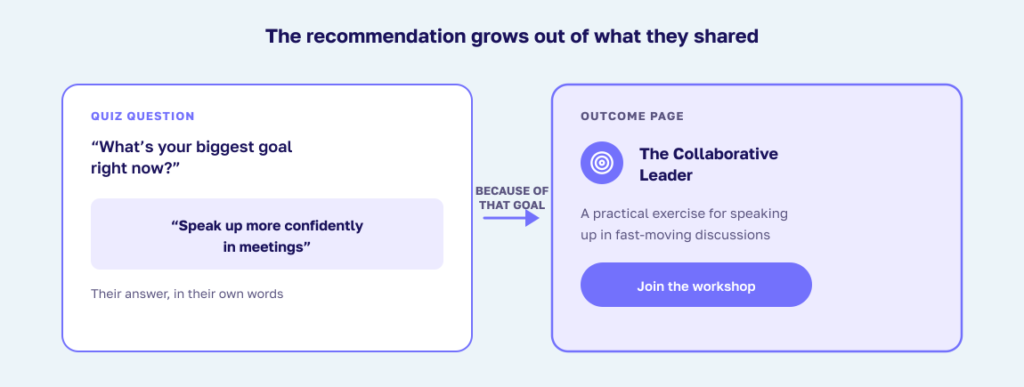
For example, imagine someone takes a leadership quiz because they want to feel more confident speaking up. Their answers suggest that they have useful ideas but struggle to contribute during fast-moving discussions. The outcome could give them a practical exercise and introduce a workshop where they can practice that skill. The offer now has a clear place in something they want to change about their life.
This is where the feeling of being heard becomes part of selling. You have made space for the person to explain themselves, helped them understand their situation, and shown them a relevant next step. If they choose to join your email list, you can continue with guidance connected to that outcome. The product or service enters a conversation that is already about what matters to them.
The answers can also teach you how to serve your audience better. With question and outcome analytics, you can see common goals, concerns, and experiences. Those patterns can help you improve your content and how you explain your offers. Listening becomes useful both to the person taking the quiz and to your business.
Make the personal experience easy to offer
Interact helps you put this experience into practice. You can build a quiz, customize its design, and share it through a link or embed it on your website. On paid plans, email integrations let you connect quiz leads to your email platform and follow up based on their outcomes.
I think about those features in terms of what they make possible for the person taking the quiz. The design helps the experience feel like part of your business. The questions create room for the person to share, and the outcome gives your expertise a personal application. The follow-up can keep helping after the quiz ends.
People still want to be heard and understood
That newspaper headline from 1934 stayed with me because it was a reminder of how familiar this format is. The way we publish and share quizzes has changed enormously. The people answering the questions still bring their curiosity, their experiences, and their desire to learn something about themselves.
That is what I would focus on if I were adding a quiz to a content strategy today. Give people questions they want to answer. Show them that their answers matter in the outcome they receive. Help them discover something personal and useful.
“History doesn’t repeat itself, but people do.” We still enjoy expressing who we are, and we still want to understand ourselves better. A good quiz brings those two things together. That is why I believe people will keep making room for quizzes, whatever technology comes next.