
I still hold firm to the belief that creator-led businesses can succeed in 2026. Yes, AI is an absolute mess and disrupted website traffic. Yes, algorithms shift all the time and wipe out loads of businesses with every change, but no I will not give up and let AI do all the thinking for the world.
One thing I’ve noticed in 12 years operating Interact is the businesses who build and maintain a healthy email list have a leg-up over everyone else because email is a channel you own. No one can take it away, not AI, not algorithms, no one.
I’ve been building my own creator channels to build empathy with our customer base at Interact, and also because I’m tired of AI slop and want to speak out against it. This has taught me a lot about the lifecycle of building an email list. Here are the stages that I see for myself and for our customers.
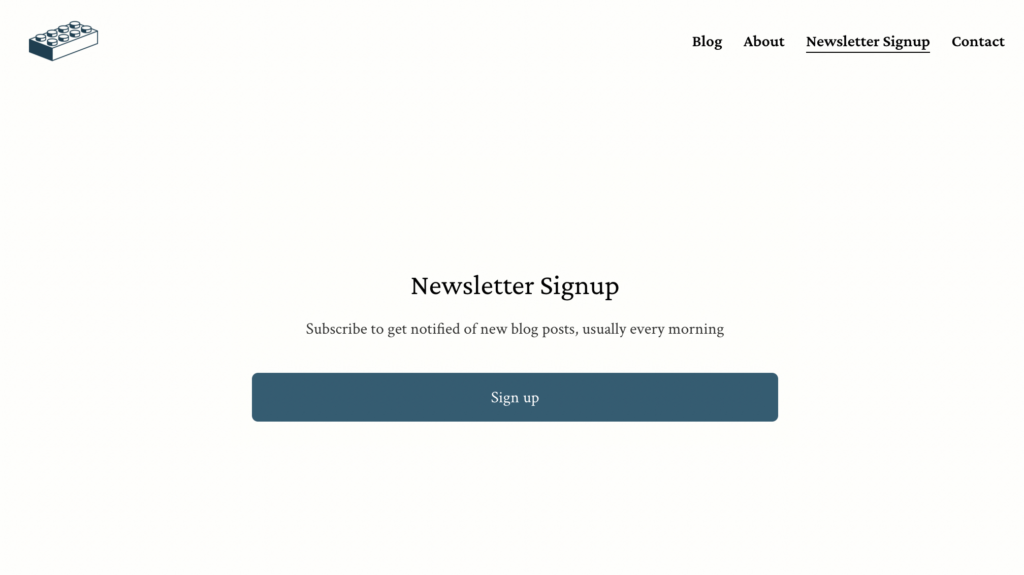
Stage 1: Newsletter Signup Form
Now you can create a newsletter signup form with Interact which I’m very proud of, it looks amazing, mine is pictured below. In the beginning, when you are building up your brand, it’s important to just have a signup form so people can subscribe if they want to get your posts. This is basically analogous to a subscriber on Instagram or YouTube, but with blogs and websites it’s not built in. Unless you use Substack, which is risky because you don’t have your own site if you do that. I use Flodesk for my emails, both newsletters and promotional emails, because I like the design, it matches well with my brand. Kit and Klaviyo are the other ones I see people using a lot.
Stage 2: Freebie Lead Magnets
The next step in email list growth, particularly if you’re growing your email list from Instagram, is using freebies. These are the ones you can promote with the “Comment to download my guide” promotion. They target a specific need, are often paired with a specific post, like if your post is about jobs for 2026 you can have a download with a list of jobs for 2026. I highly recommend setting up a welcome email in your email software for each freebie so people get confirmation from you and it eases them into the email relationship with you. Guides are great to have on rotation, and generally pretty quick to build in Canva once you write them up in a doc.
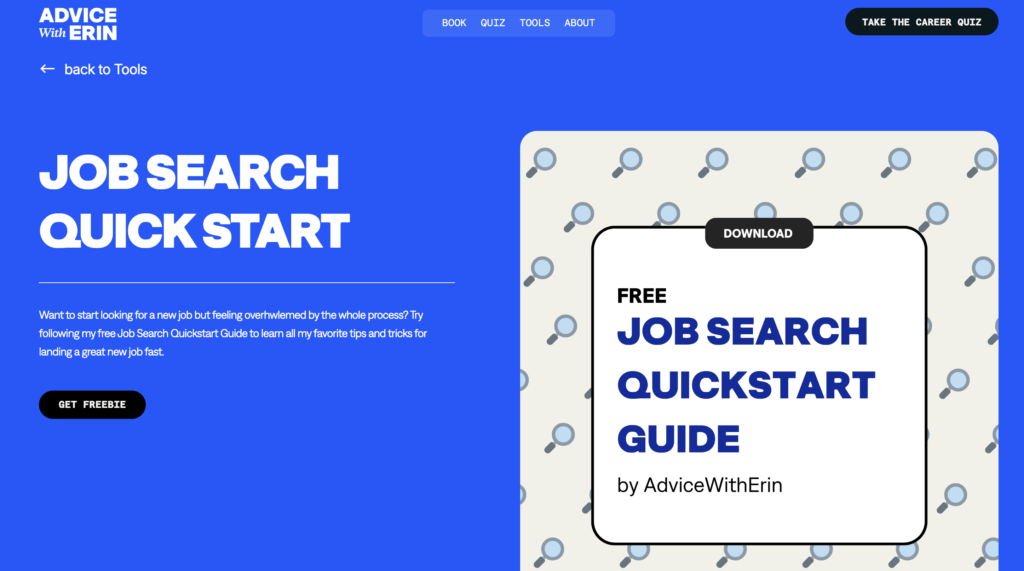
Stage 3: Signature Quiz, Webinar, Live Training
The heavy hitters of email list growth. Generally this is where Interact quizzes start to become useful. And for webinars, people host those on Zoom. A quiz is a guide for people once you’ve become big enough where you have different types of people in your audience who want and need different things.
A great example here is Dr. Sasha Hamdani’s “What’s Your Biggest ADHD Challenge?” quiz which lives in her social media link in bio and guides people towards the best path to move forward based on what challenge they experience the most in their ADHD.
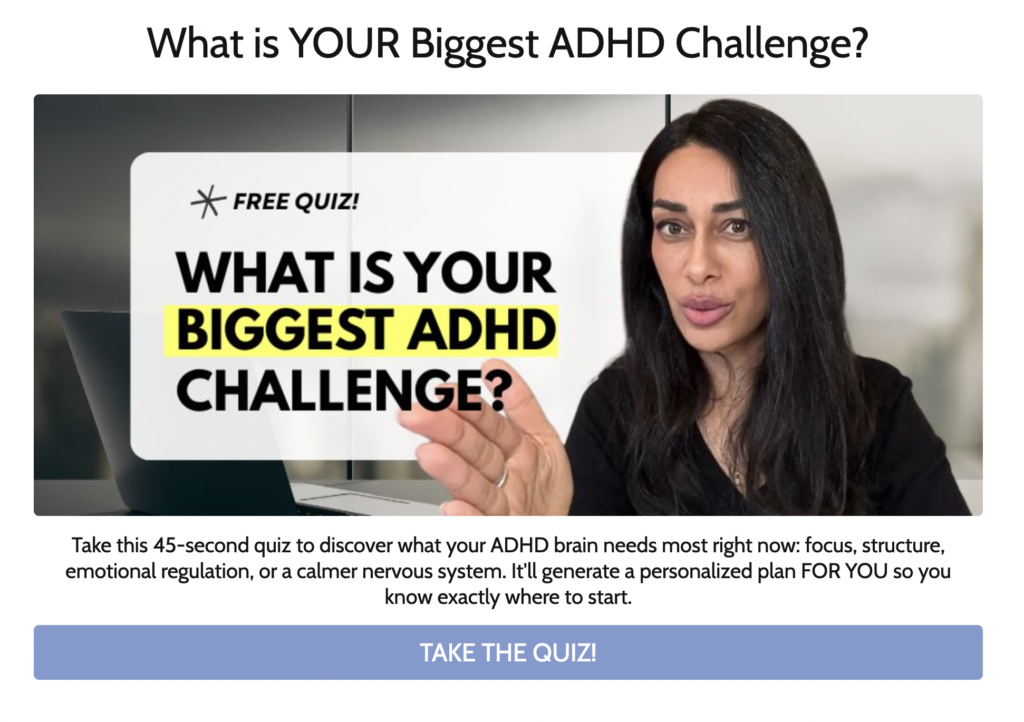
It’s a pretty advanced form of lead magnet because you’ve got to know the types of people in your audience, what each of them needs, and how to filter between the types. But when it works, it works really dang well.
Other advanced lead magnets are live trainings and webinars, which also require a deep knowledge set because you’ve got to be able to be live for an hour or have something pre-recorded. But those also work really well when they work.
I’ve interviewed so many successful creator-led business owners on our podcast and the one thing tying them all together is an email list. It’s an asset you own, that builds over time, and is not susceptible to changes in algorithms. Even if you lose your inflow from whatever channel you use to reach people, you’ll be okay for a while with a healthy email list. These stages represent the pathway I’ve seen people follow as they grow their content brand, so you don’t have to set up too much stuff at each step, and you can scale as you grow.